AM and military production
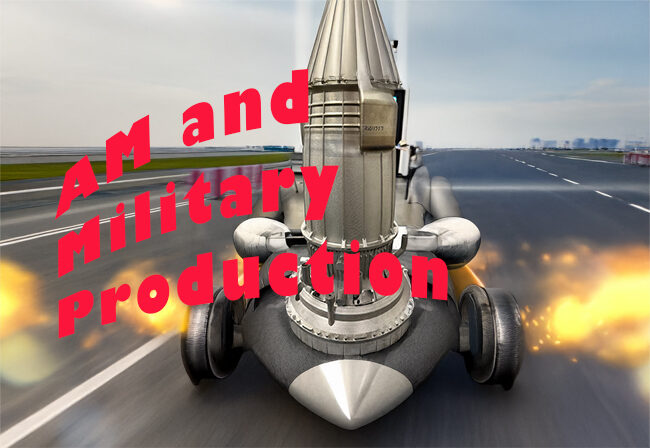
In April, the largest conference on AM technologies in the USA, RAPID + TCT 2026, took place. One of the outputs is an article published on the Additive Manufacturing portal, “What role do AM technologies play in the defense supply chain? Lessons from RAPID 2026” [1].
It’s a bit sad to read if I project it into our environment, where there are high expectations from 3D printing. As an example of 3D printing, hinges for the doors of armored personnel carriers are presented here. A great application, but it probably won’t save Czech armored vehicle assembly plants.
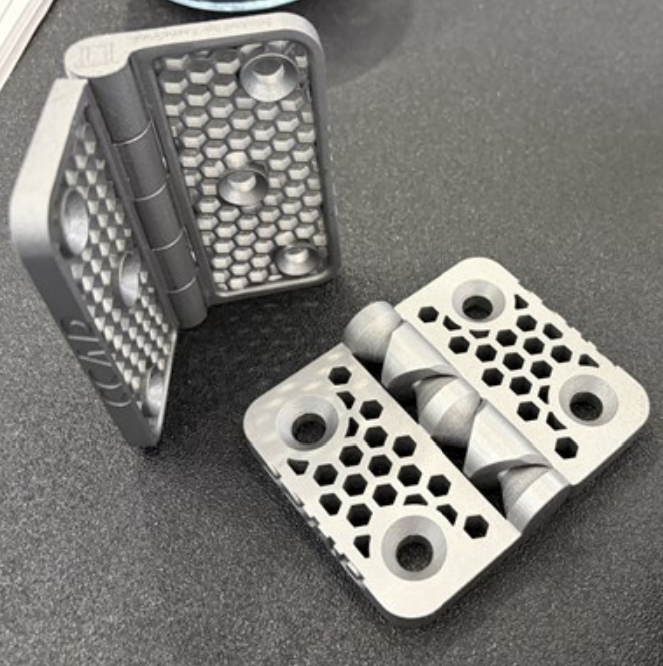
Fig. 1 – Example of printing door hinges from a publication [1]
But the article continues with the application to hypersonic rocket engines. That’s better, an example is a 3D printed part from Inconel 718 using the EBM method on the JEOL JAM-5200EBM printer.
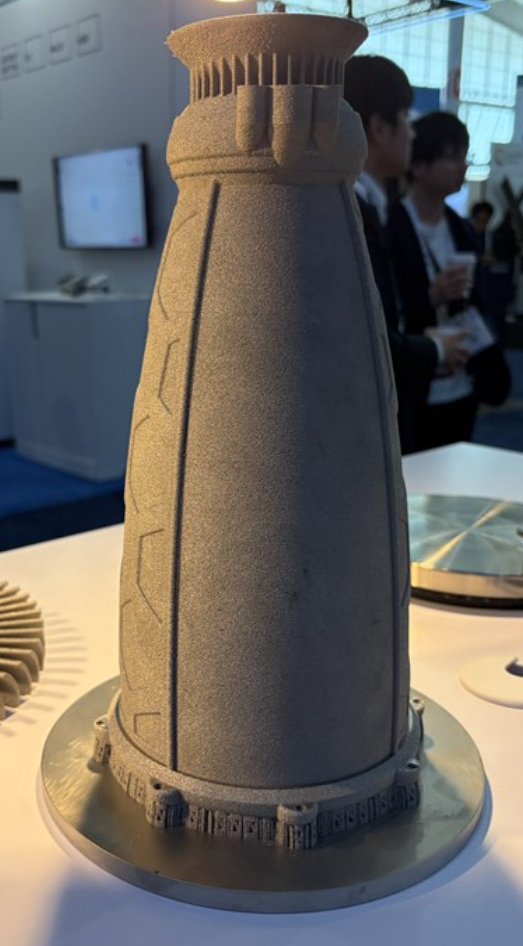
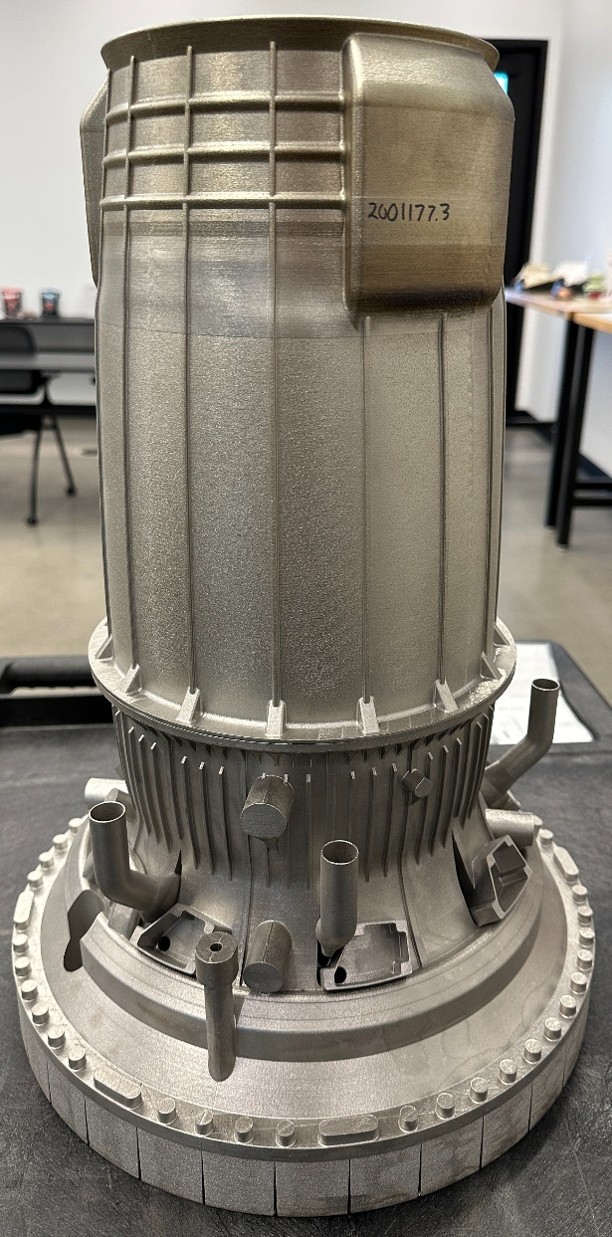
Fig. 2 a 3 – Example of printing a hypersonic engine nozzle from publication [1] and from Beehives Industries [2]
This seems more sensible, moreover, in relation to the material C103, which is an alloy of Niobium, Hafnium (10%) and 1% titanium (Table 1), which is beginning to be significantly applied in the most demanding applications for high temperatures. With long-term use of 1200 to 1482 °C, with short-term use, it can withstand temperatures exceeding 1500 °C to 2000 °C.
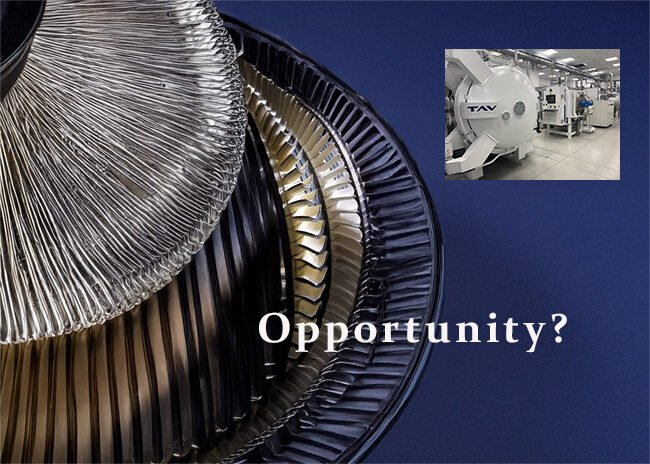
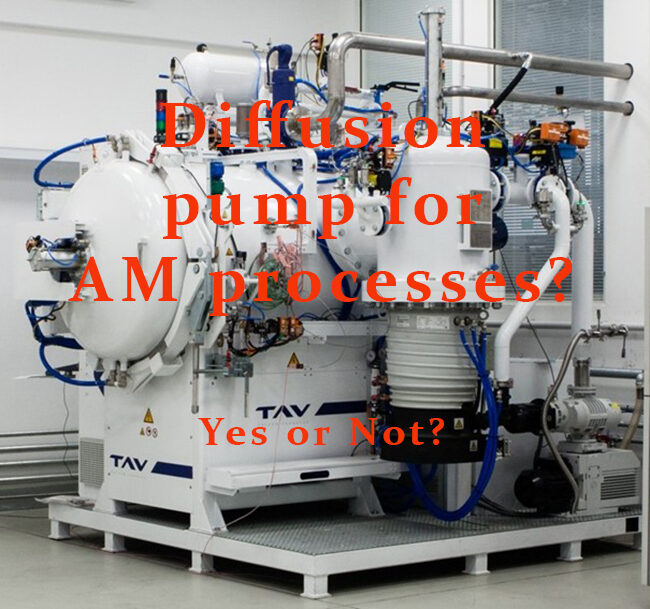
The next chapter are drones, but here the problem must be divided into two areas: Production of the airframe and production of the engine. The airframe will be composites and maybe even CVI technology. But the engines fall into the classic problems with 3D printing. Without a complete technological chain, the printer itself will not help us. Virtually all metal materials require a HIP and a vacuum furnace with a diffusion vacuum pump. So even the very promising C103 material needs them. Although niobium does not have the same affinity for oxygen as titanium, Nb₂O₅ is formed, which is unstable, porous and flaky. Thus, they do not protect the surface like materials with a Cr₂O₃ or TiO₂ layer. Atmospheric furnaces are useless in this case.
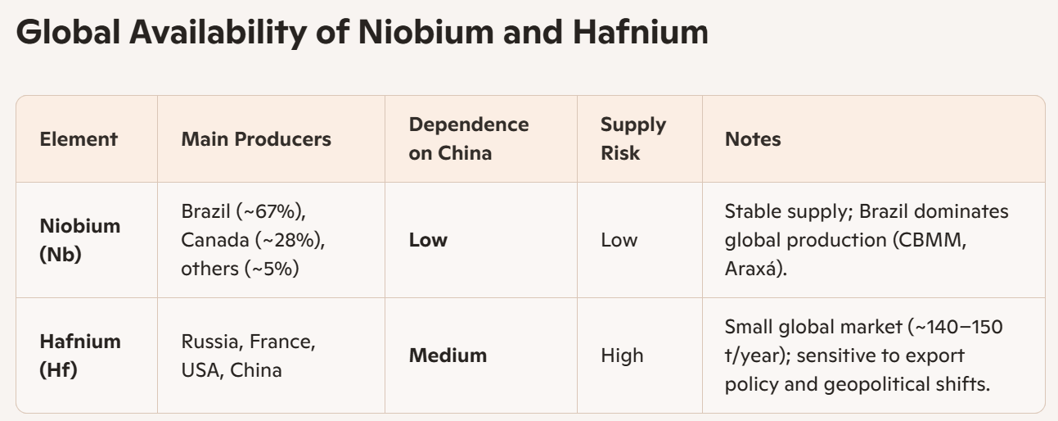
The availability of elements for this new material is ensured, see the table 2, there is probably no risk that it will not be available.
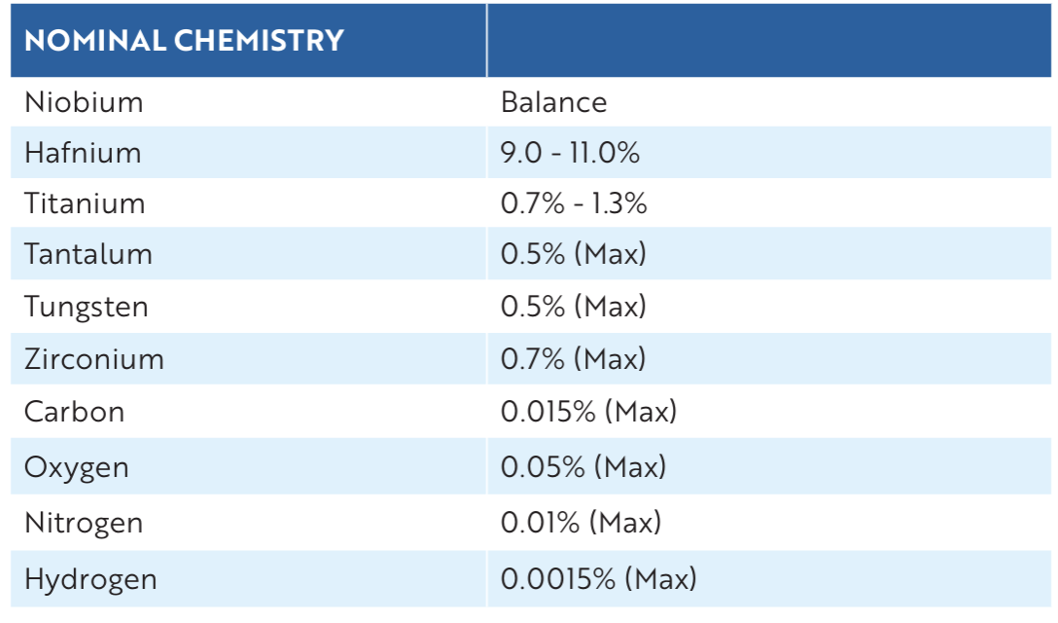
Tab. 1 –Example of chemical composition of material C103 from 6K Additive
Tab. 2 – Availability of alloying elements for C103
Existing motor production is based on classic technologies such as precision casting or forging. However, in article [2], there is a mention of the production of these engines only through 3D printing by Beehives Industries (Fig. 3). That’s a higher level for printing. While the classic engine has up to 2000 parts, this one from 3D printing only 140. But this includes bearings, seals, etc., the engine itself is composed of only 14 printed parts.
But hey, HIP is mandatory, as well as other post-processes of heat treatment. So a printer without these two other devices is useless to us.
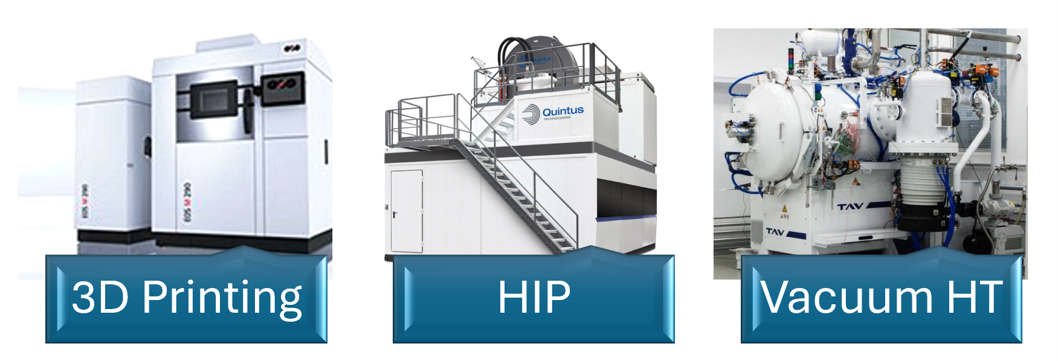
Fig. 4 – 3D Printing Trilogy
And this does not only apply to the defense industry, space programs (C103, Inconel 718, Ti6Al4V...), it also applies to energy, generation IV reactors (Hastalloy HX), hydrogen production, implantology, but also instrument production.
And if there really is a war conflict, then we won’t hide the foundry or forge underground, but 3D printing, including post-processes, can. Not only because they are, let’s say, “pocket-sized”, but because they don’t need anything so essential for their operation, and nothing so essential comes out of them either. In that article [1] there is also a mention of the production of spare parts in the USA. AM technologies will be fully implemented, for example, on warships, so that they are self-sufficient, and they can produce the necessary spare parts directly below deck during the voyage, without returning to port.
Until someone understands this, we will continue to just watch it. Yes, there are a number of institutions that deal with AM technologies. But because the production chain is not available, these institutions are dedicated to meaningless publications, which are good in terms of knowledge, but if there really is a war conflict, we really won’t win the war with publications.
As my teacher, Professor Dr. Wolf-Dieter Münz from Hallam University in Sheffield, used to say, we are here to make it work, but scientists are here to tell you why it works. Those who follow this field closely will find that the state of knowledge is already such that we can really produce. And scientists should only say if we can do it even better. But we somehow stubbornly keep starting from the end.
Have you also noticed that a large number of printers in the country have Star Wars characters as references? It seems symbolic to me.
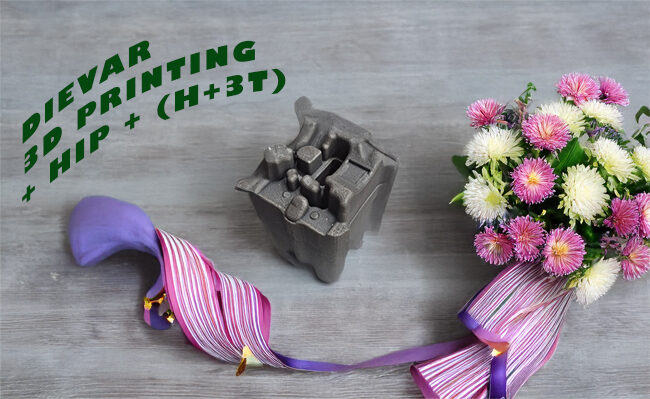
I have one more personal experience. As part of the NCK, we deal with 3D printing of die casting inserts from Dievar. From the time of selecting a suitable application, through the creation of the data model, HIP printing and heat treatment, 6 months passed. At the same time, the insert is a part of negligible size compared to the nozzles of hypersonic engines. But once there is no printer, then there is no HIP, and in the end, just when we need it, there is no capacity of a vacuum oven. If we applied this business model to a war conflict, we would have lost the war a long time ago. Just as I advocated the Center of Excellence for medical implants, the same applies to the production of weapon systems, with many times greater importance. A specialized workplace must simply be created, fully equipped, technically and humanly, which will start producing and at the same time provide an environment for science and research.
=======================================================================================================
Are you solving a similar problem? I will help you with the analysis…
 40+ years of experience in the field
30+ years of experience… HT-PROGRES, Bodycote, Galvamet
cooperation… VŠB, Czechimplant, ECM Technologies, TAV Vacuum Furnaces, GHC Invest
12+ years of expert activity
Want to ask for a solution or want a non-binding consultation? Click on this link, I will usually respond within 24 hours. Contact email
========================================================================================================
Jiří Stanislav, Ing. CSc.
Consultant and forensic expert
========================================================================================================
25/5/2026