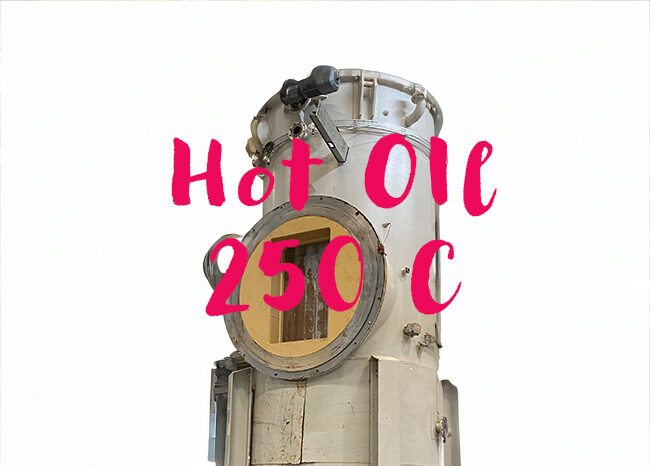
Oil or gas ?

There are still many doubts about hardening materials in vacuum after low-pressure carburizing. So what is it?
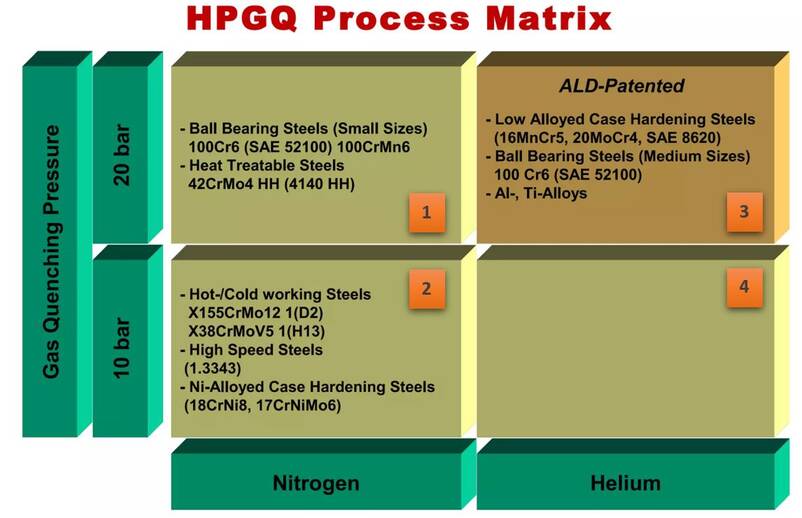
Some time ago, ALD published this feasibility matrix. If I have nitrogen up to 10 bar, I can harden and carburized category 2 materials. If I have 20 bar, then category 1 as well. But is this really true?
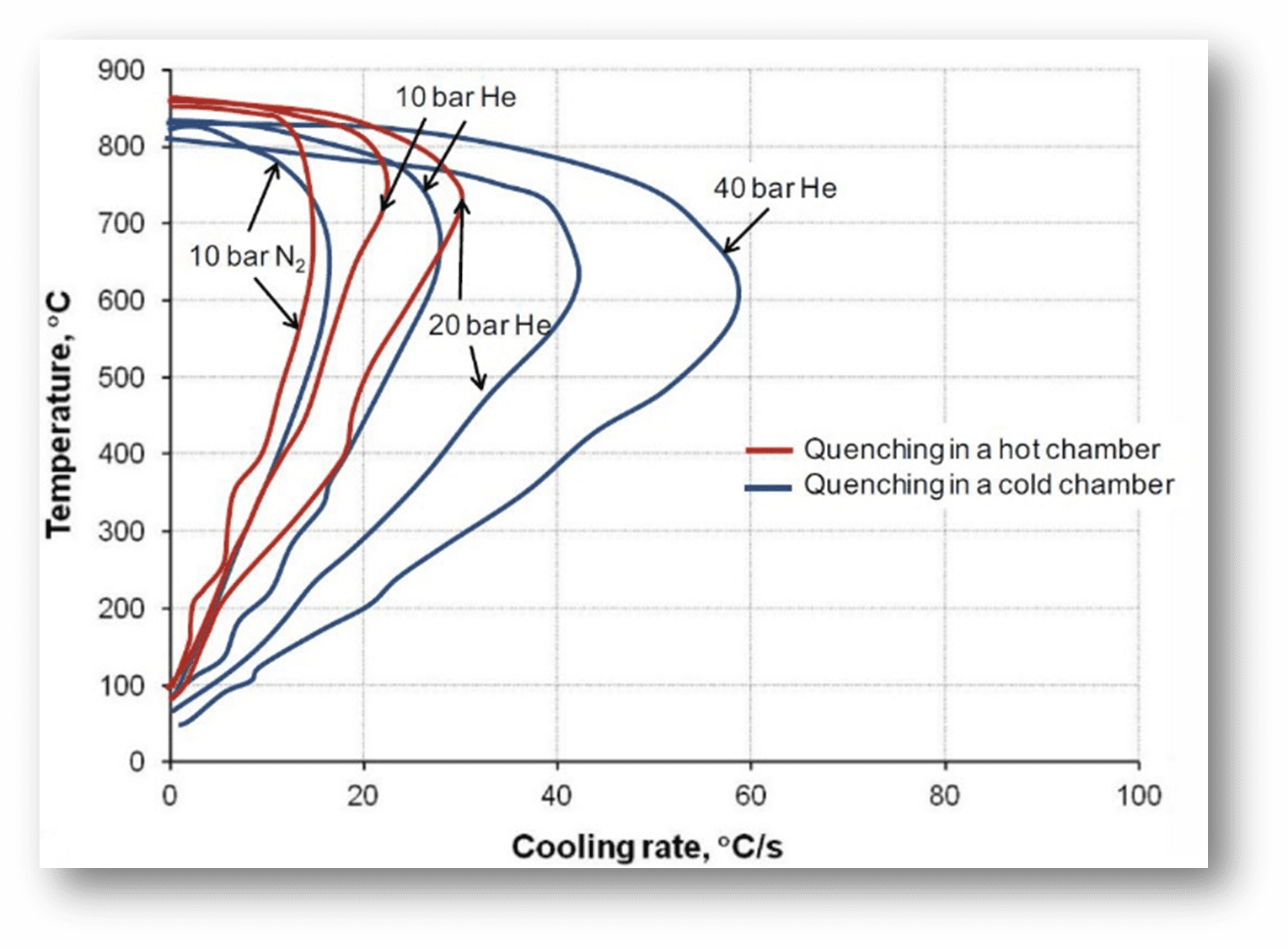
Only partially. If we have LPC in a single-chamber furnace with 20 bar for 400 kg of charge, we will harden only 30-50 kg of category 1. Such a combination is economically fatal. If at all, then the furnace must have two chambers or more, or hardening must take place in a cold chamber.
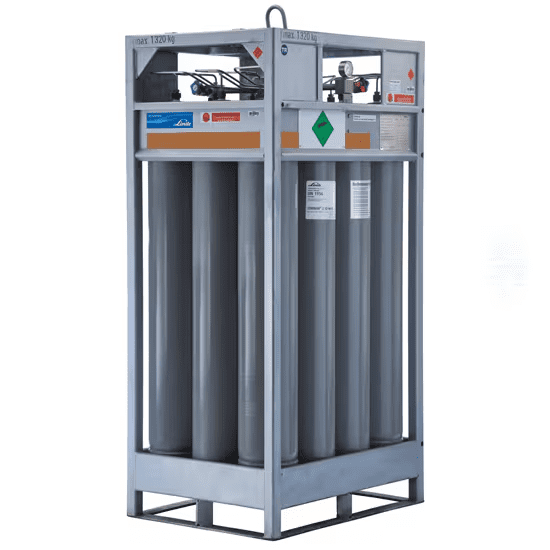
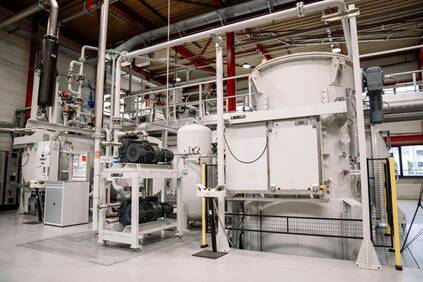
There is also the option of quenching in helium, but no commercial heat treater has yet found the courage to do so. Why? A helium palette with a content of approximately 150 m3 costs 26 916 €. That is the price from the Linde e-shop. With a quenching chamber size of 4 m3, this is for 37 quenching cycles. We will pay 727 € for helium per cycle alone. Without 100% gas recovery, helium will probably not be our choice. But even here it is not certain, helium recovery will cost us about the same amount as the single-chamber furnace itself. So we must have a well-executed economic analyse.
In any case, if we want to go into quenching in a gas stream with LPC, we must test everything in advance, even before we conclude a purchase contract for the furnace. It is already clear that, for example, economical hardening of AISI 4140 steel even in 20 Bar nitrogen is very difficult, as is 100Cr6 for larger bearings. The ALD table is therefore a guide, but it is already clear that it is valid only for the technical solution of the ALD quenching chamber. Other furnace manufacturers will have completely different results.
If we do not have a clear range of processing in the long term, the only certainty is a two-chamber furnace with LPC and an oil bath. Although the costs of washing the oil after quenching are also not negligible, we will limit the risk of failure to a minimum. And if we still have doubts, we have the option of hybrid systems, where we have both oil quenching and gas flow.
Jiří Stanislav
March 24, 2025