Forgotten history

Representing the ECM company gives me an insight into the new world of heat treatment, especially in the field of low pressure carburizing. But in fact, it also allowed me to understand where I started in the 80s with the development of LPC, and where the world jumped in the period of almost 40 years, when I was no longer doing development and I was just trying to build a new world of commercial heat treatment.
And so, to my delight, I also found my original report on this topic from 1992. I was still working at Uniterm and was responsible for the development of the LPC for the newly manufactured furnace RDVA from Uniterm design studio.
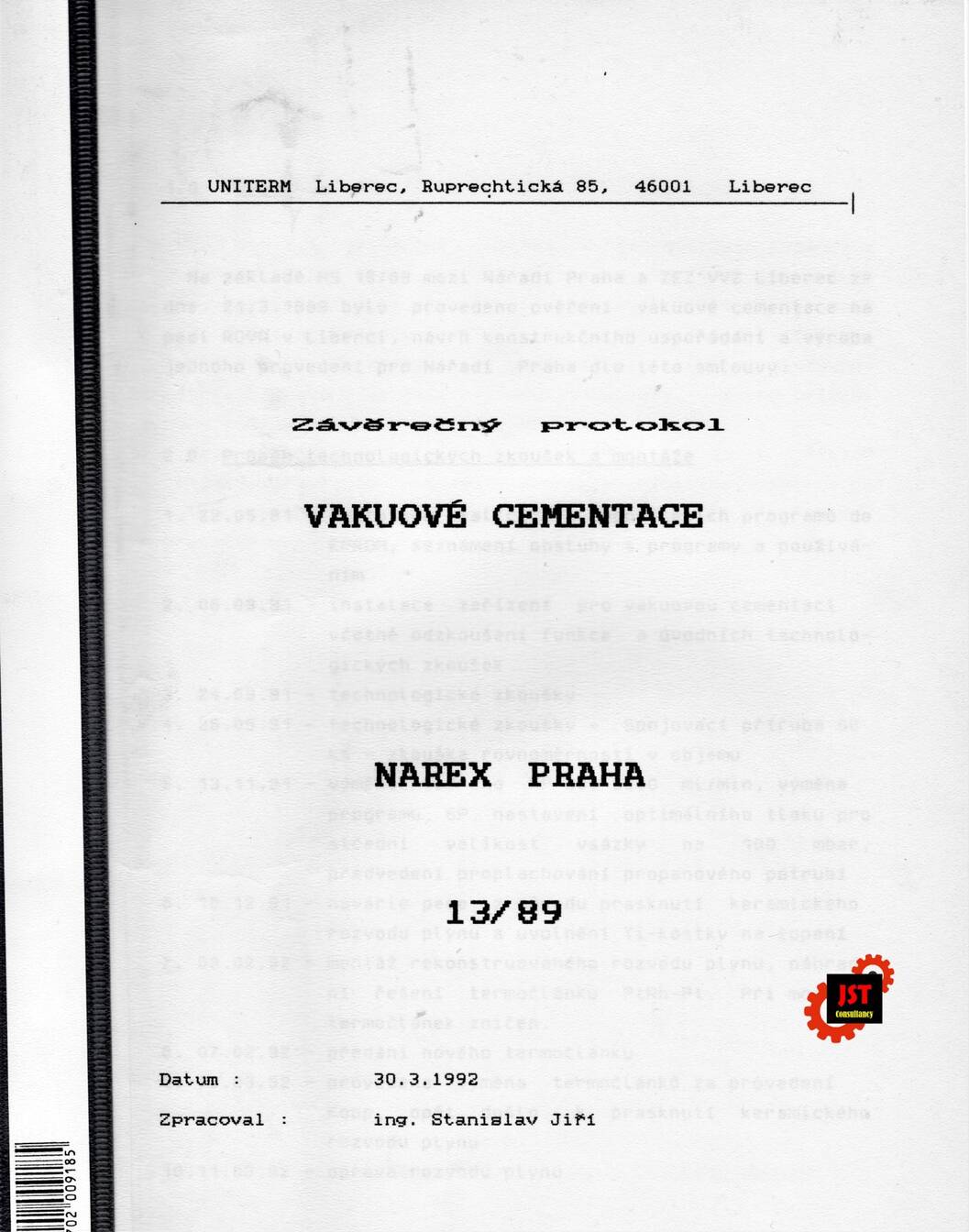
Fig. 1 – Cover page of my research report
The technical solution did not cost much, it was proportional to what we were able to make on our knees as additional equipment for the RDVA furnace. But it worked. This report is proof of that.
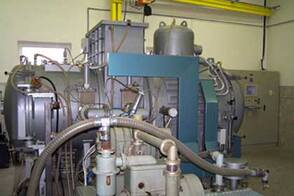
Fig. 2 – A symbol of the pre-revolutionary era, two-chamber vacuum furnace RDVA with oil quenching, charge up to 150 kg
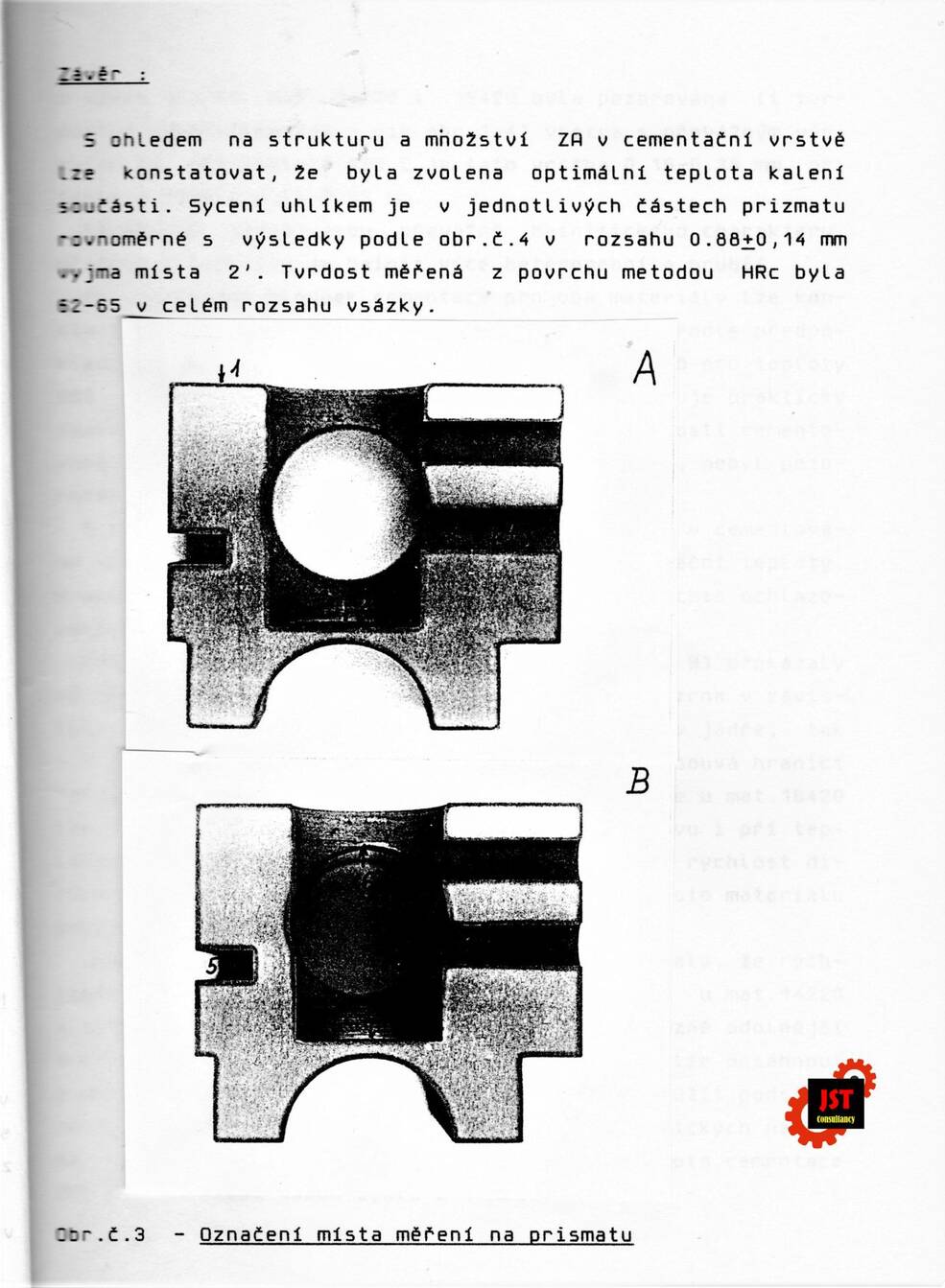
Fig. 3 – Proof that it worked back then. The layer beautifully copies the entire contour of the prism, which at the time Narex produced from 16MnCr5 steel.
It is surprising that 5 or 6 of these furnaces are still in operation today. LPC is no longer in them, but Narex Prague is still quenching with them.
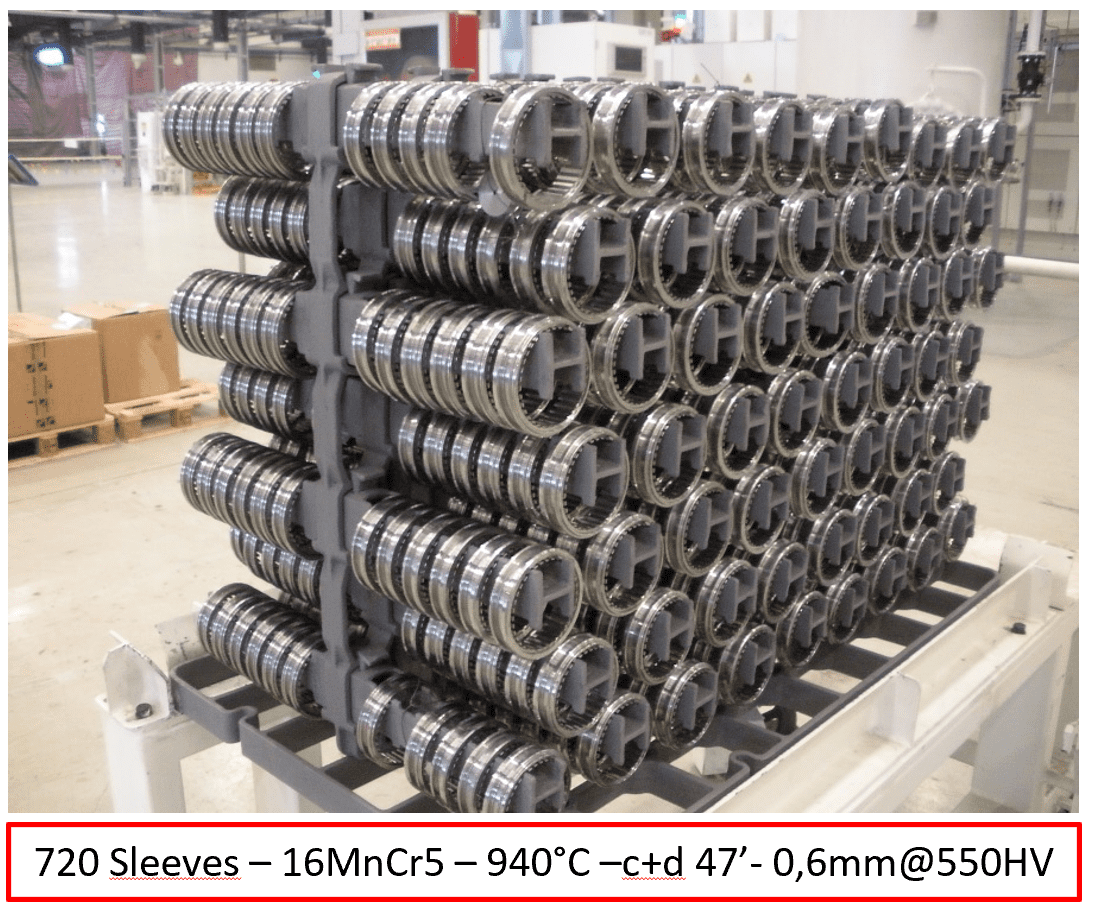
Fig. 4 – Batch example for ECM ICBP Flex
Times have changed, but the technology has remained, as the principle remains unchanged. Only the technique has changed. To date, ECM has installed more than 1,500 carburizing chambers all over the world for this type of equipment alone. And if I look inside the oven? Still as simple. A few tubes and it’s all…
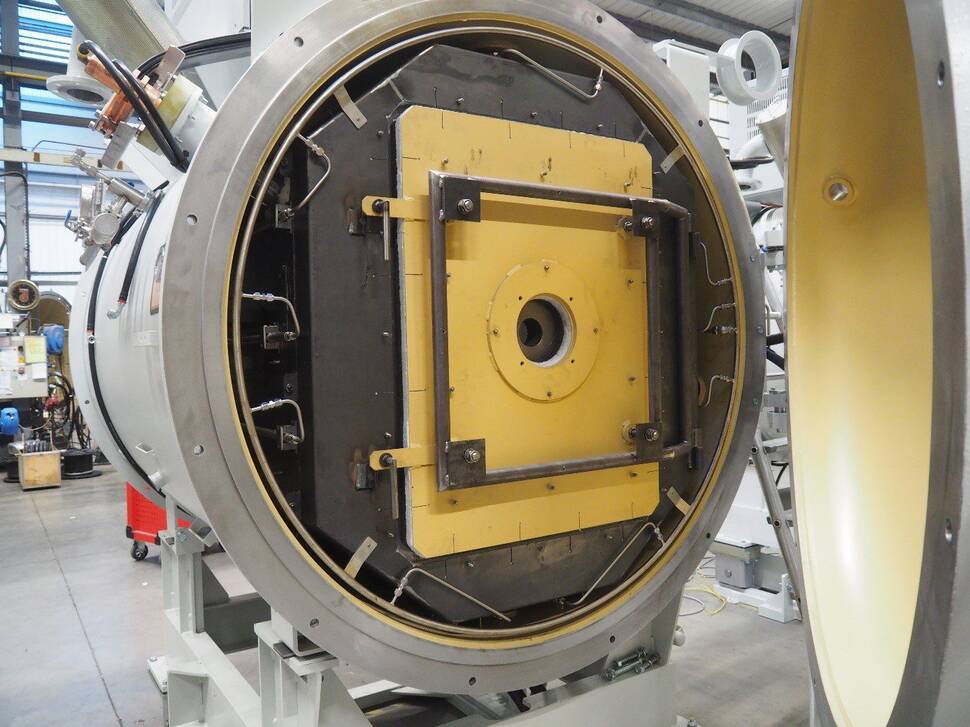
Fig. 5 – C2H2 gas distribution in the cell ICBP Flex
And what does it really look like inside the chamber? Based on the interaction of electrons and ions in the discharge of the mass spectrometer, an incredible number of combinations of the elements carbon and hydrogen are created, whether by cracking or recombination processes (Fig. 6).
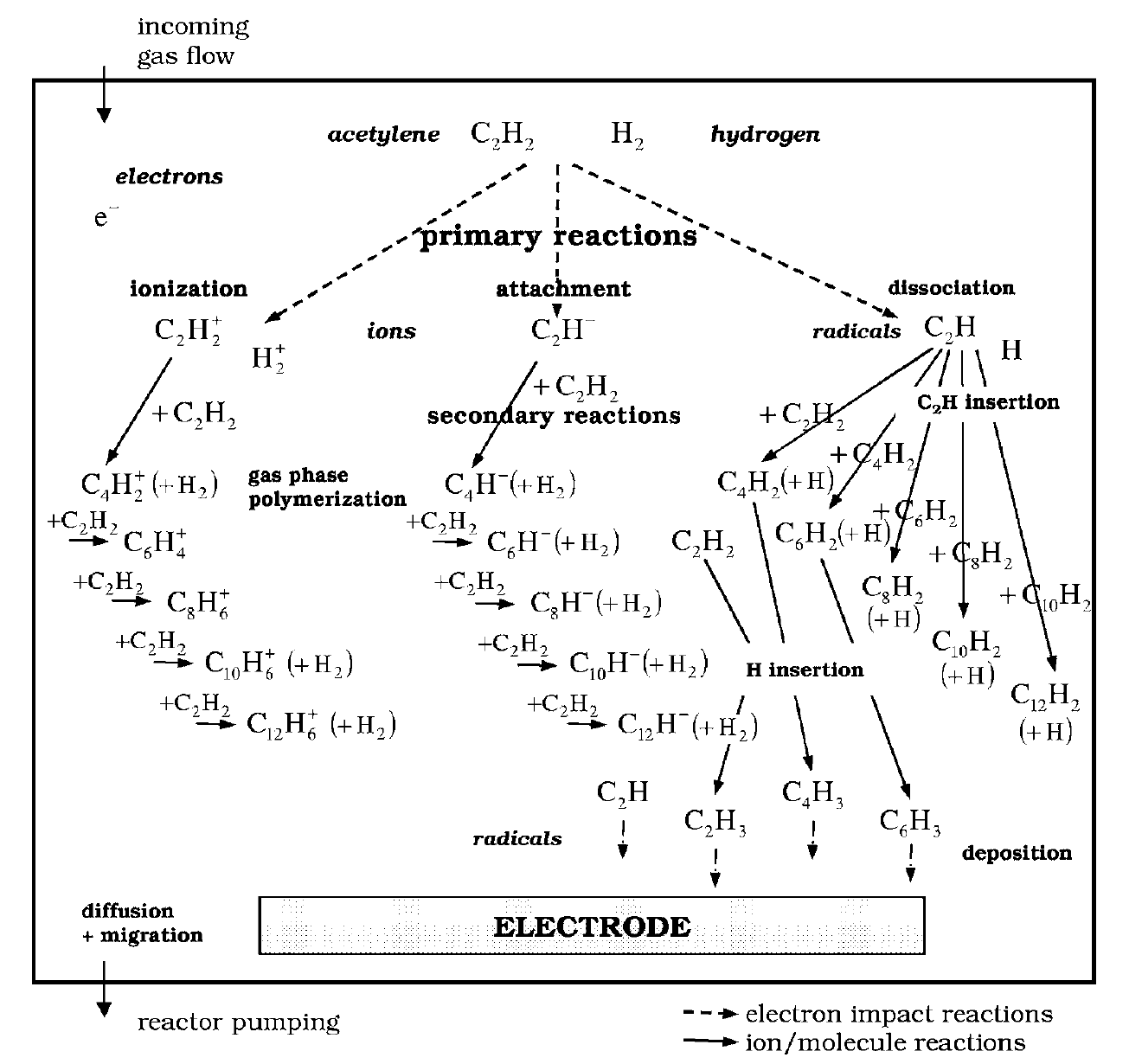
Fig. 6 – Schematic representation of the main reaction pathways underlying the growth of larger hydrocarbons in the acetylene discharge [Detailed modeling of hydrocarbon nanoparticle nucleation in acetylene discharges, Annemie Bogaerts, University of Antwerp, 2006]
And how will it be in the case of thermal splitting of acetylene? We will approach the spectrum according to Fig. 7. It looks simpler, but free carbon itself is somewhere in the last place on the spectrum. How to deal with it? One of my esteemed teachers, Dr. Munz from Leybold had one principle. We are here to make it work, and scientists are here to tell us why it works.
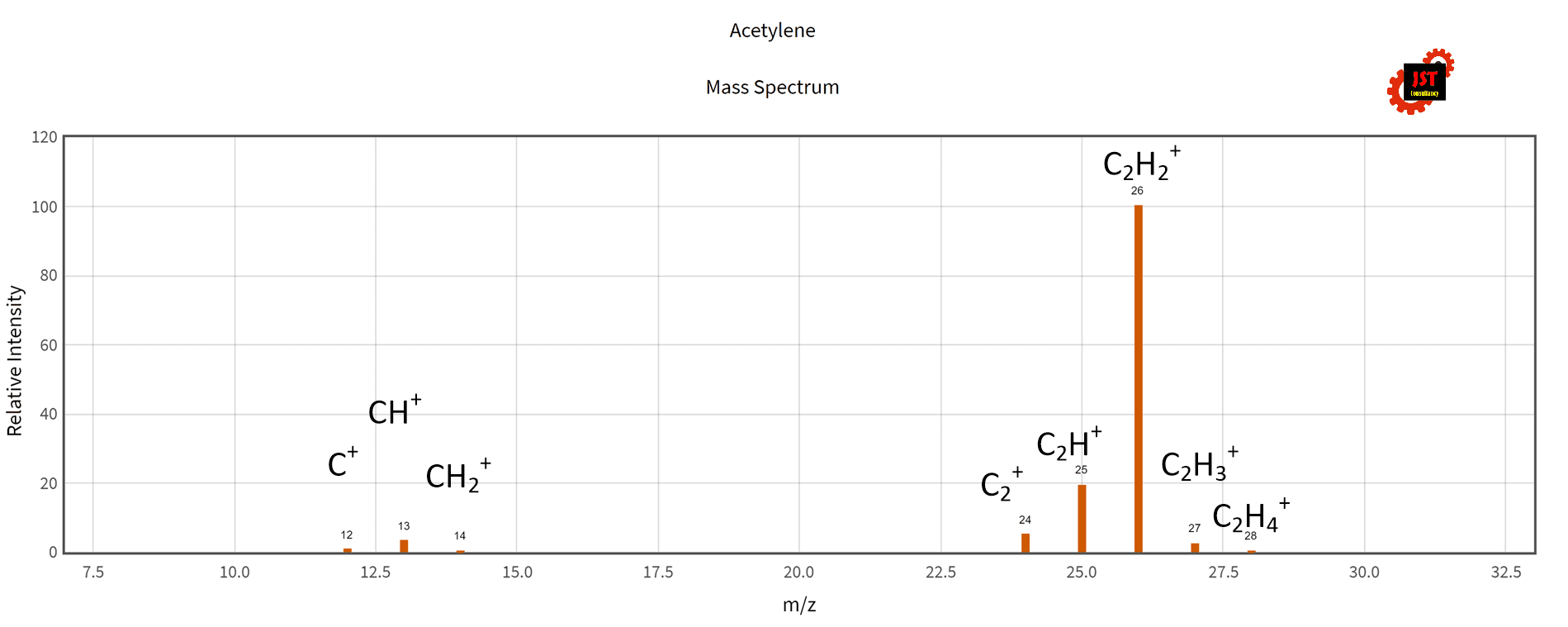
Obr.č. 7 – Podíl jednotlivých iontů C2H2 ve hmotovém spektru
So up to the world of low pressure carburizing …
April 6, 2023
Jiří Stanislav