Linserka
Although it is seemingly not related to my metallurgical topics, the opposite is true. On Saturday, December 20, the reconstructed building of the former factory in Old Liberec was ceremonially opened. The history of the building in Resslova Street begins in 1845. In this year, the Liberec draper Gottfried Tanner built a classicist house as a drapery manufactory. He later sold it to Christian Linser, the owner of a copper and metal goods workshop, who made it the basis of the “Ch. Linser Engineering Plant“. At the time of the ongoing industrial revolution, Linser developed his company and transformed the original cloth weaving mill into a foundry and a modern industrial complex, the design of which was created by the leading architects of the time.
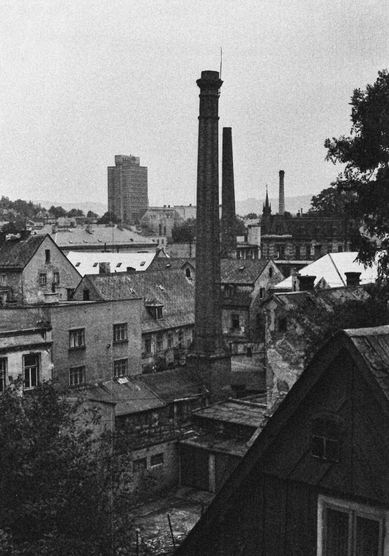
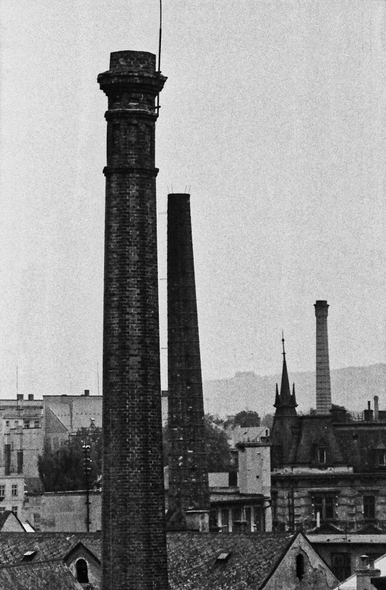
The original chimneys were still standing in the 1970s.
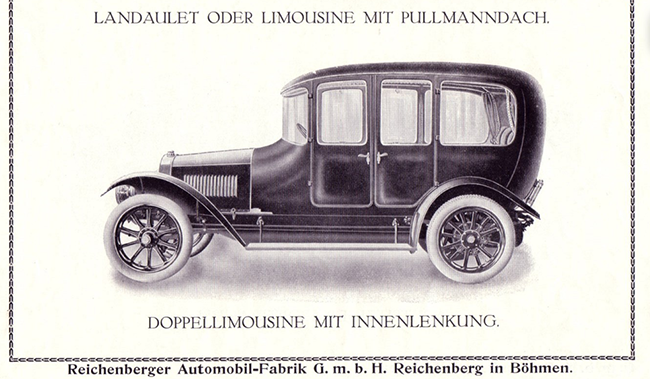
At the turn of the 19th and 20th centuries, Linser’s foundry boldly went from machines for textile factories and breweries to motoring, and from 1902 it produced Zeus motorcycles. The peak came in 1906, when the very first four-cylinder car in the then Austro-Hungarian Empire was created and presented at the Vienna Motor Show. In addition to the magnetoelectric ignition and tires, the Linser Voituretta was completely manufactured in Liberec, which the Linser factory was justifiably proud of.
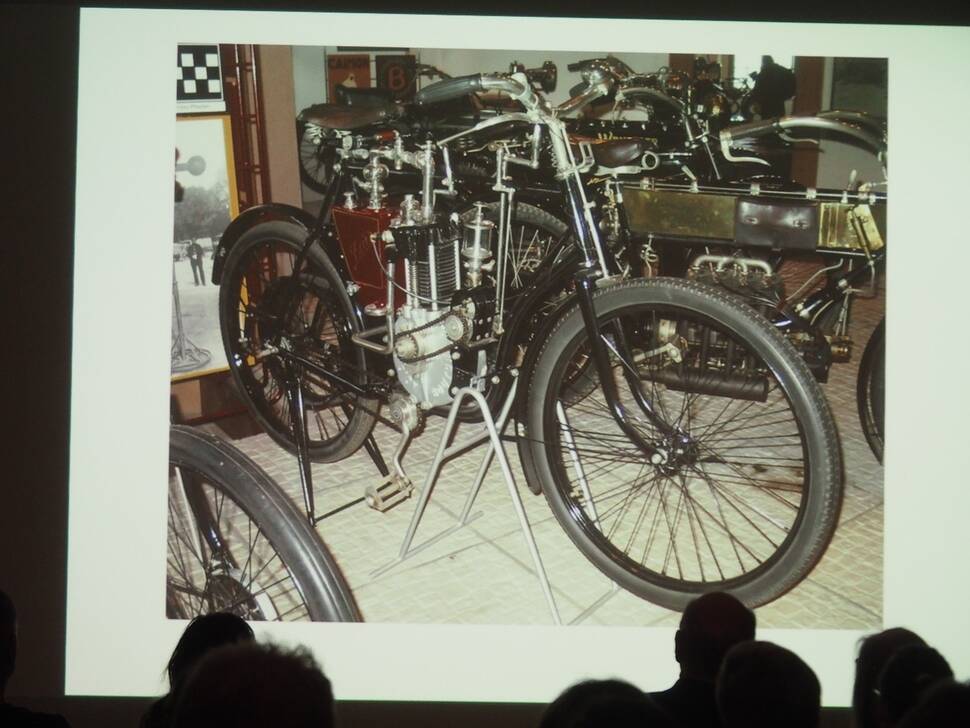
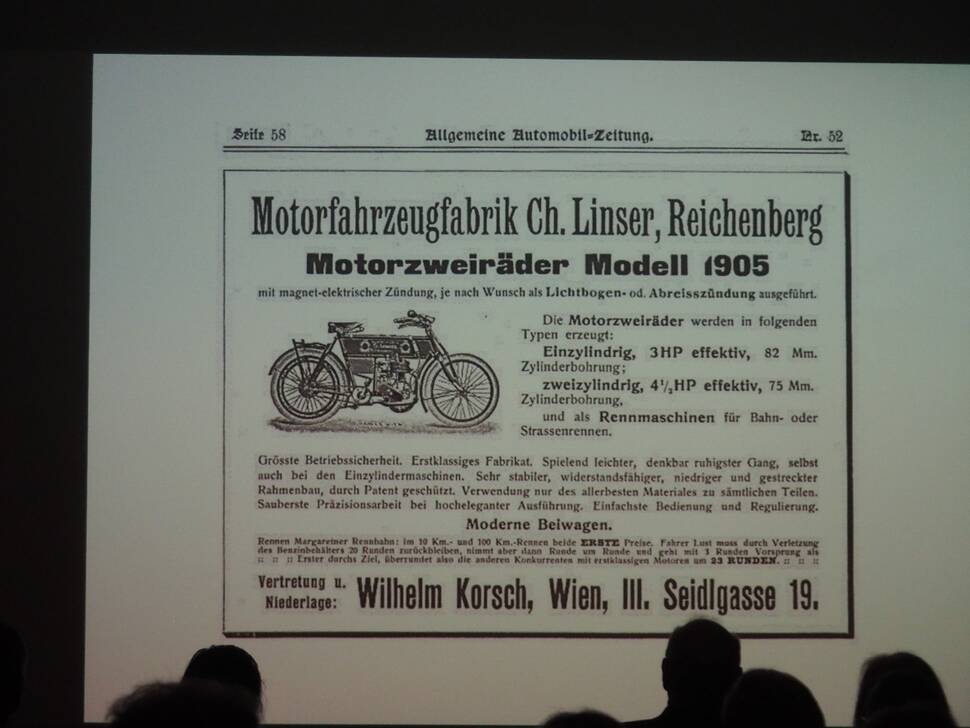
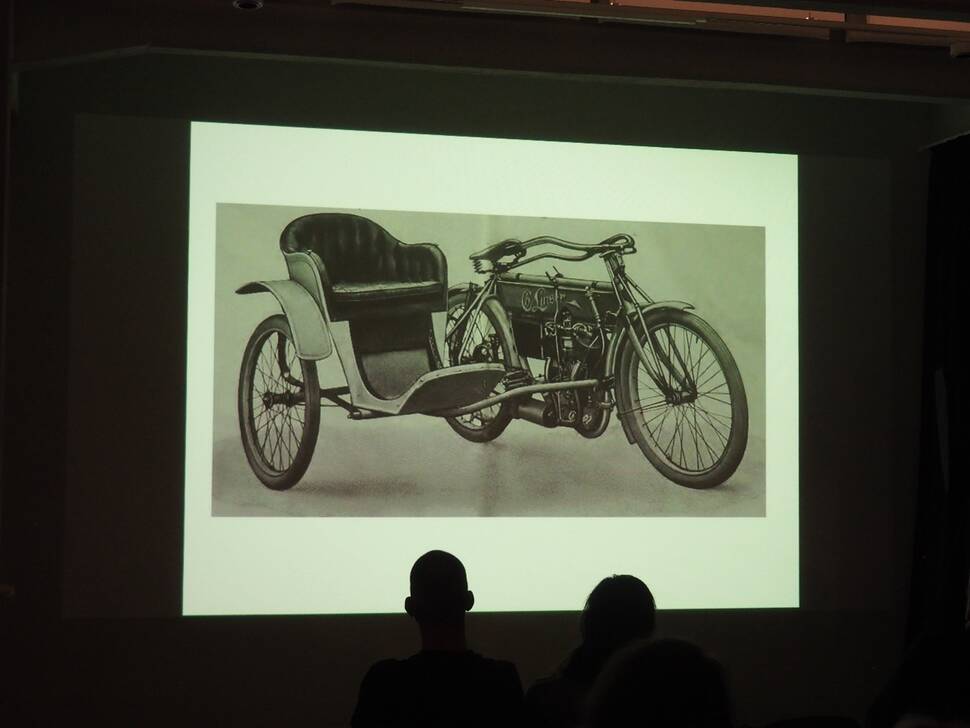
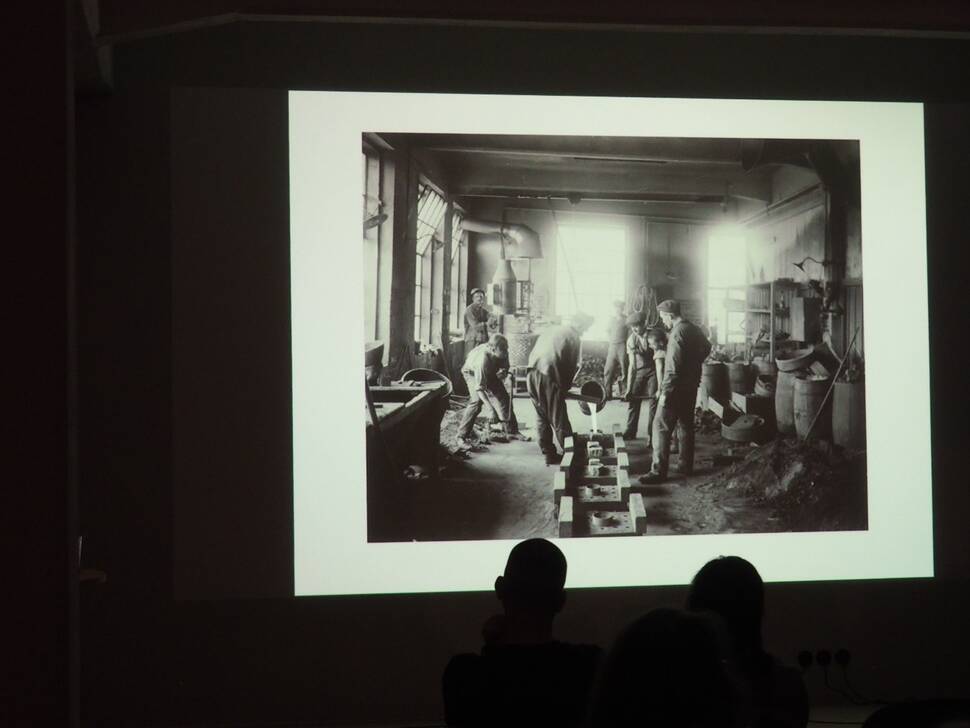


R.A.F. production program
Linser eventually ceded the license and documentation for the production of cars to the newly established RAF (Reichenberger Automobil Fabrik). Its owner was the visionary, industrialist and car racer Theodor von Liebieg. After the start of production in 1907, the direct production of cars moved to another factory. However, Linser’s company continued to produce components for these vehicles as well as for Laurin & Klement cars. So much for a quote from the https://www.linserka.cz/ website
But it doesn’t end there. As early as 1907, von Liebig built a hall in Ostašov, which was used for the production of R.A.F. cars. But it was probably not a good plan, von Liebig was not an engineer but a textile worker. And so in 1911 he left the board of directors and continued to devote himself only to the textile business. And as Laurin & Klement’s influence grew, R.A.F gradually declined. The entire history of Liberec motoring ends in 1916.
But Christian Linser comes on the scene again. In 1926, he bought the former RAF factory and moved the foundry machinery and equipment into the building. In 1936, Christian Linser died, and the company in Ostašov, which had closed two years earlier, fell to Rudolf Linser. This was followed by a war episode and the production of parts for the Wehrmacht. In 1958, the R.A.F foundry was taken over by the truck manufacturer LIAZ (Liberec Automobile Works) and a new era began, which I already remember. More here: https://www.ostasov.eu/r-a-f-liaz/
The circle is closing, the area in the center of Liberec is dilapidating and falling apart. The last building remains, the condition of which can be seen in my photographs.. Strangely enough, I was already attracted to photography here in the 1970s, when I moved to Liberec. The photo shows the chimneys of the former Linserka, which no longer exist.
And the house itself looked like this. The attractiveness of the first cars in Liberec was not visible from it, but as a photographic object it was an ideal object. In general, its entire surroundings smelled of a touch of devastation, but it had its own charm, because it remained here as a witness not only of the post-war period, but also of the early 20th century. It is admirable that the building has remained in this state even 80 years after the war.
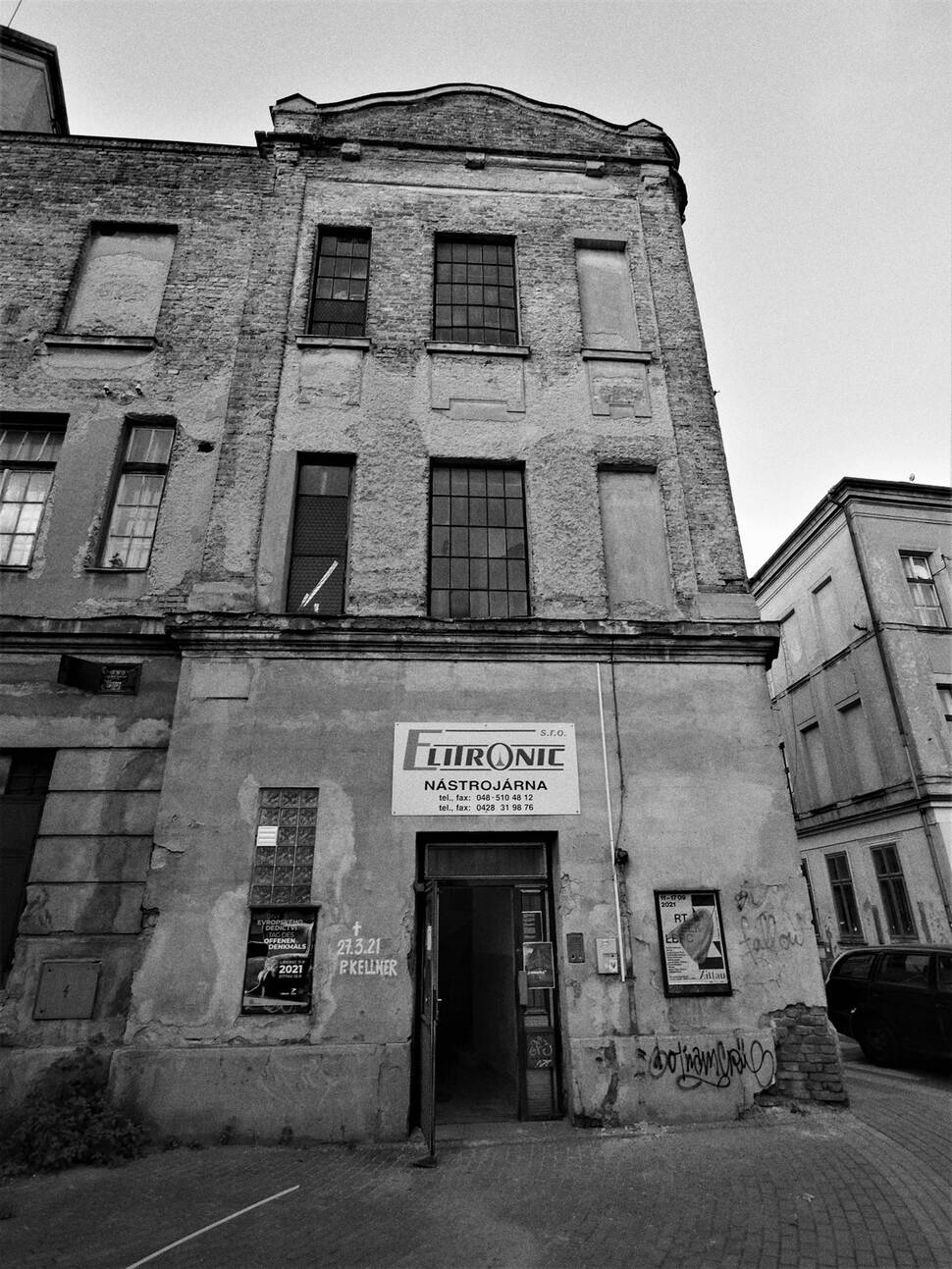

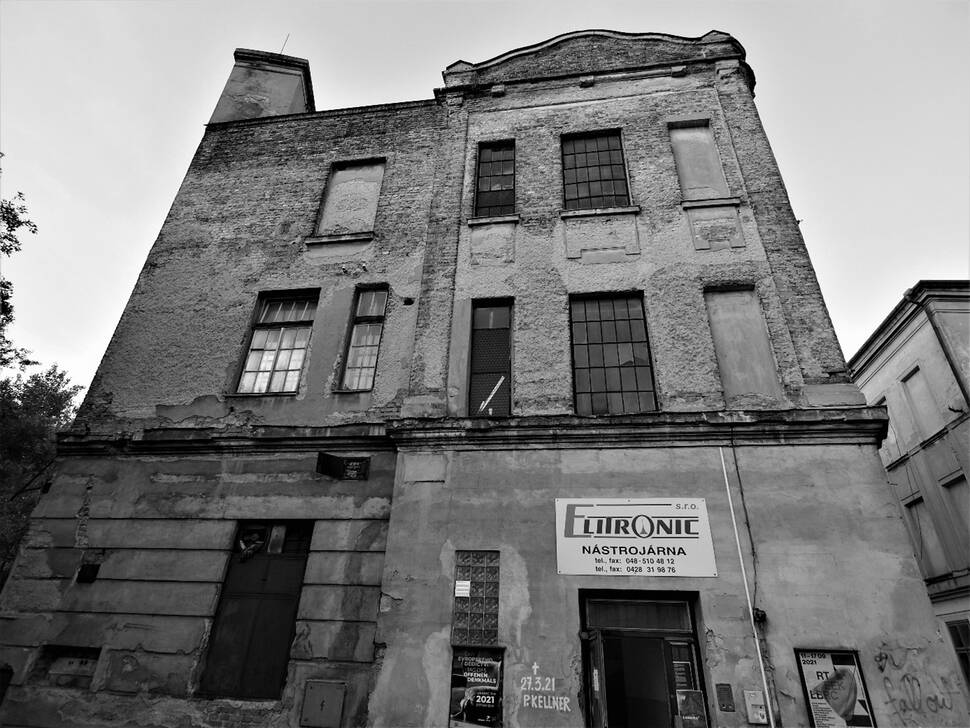
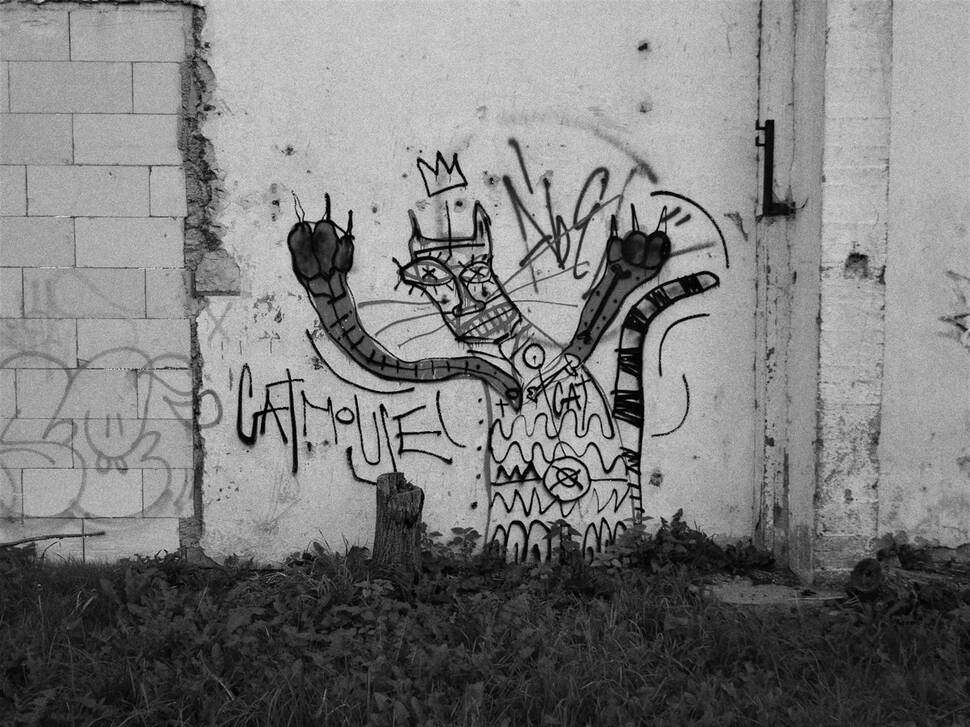
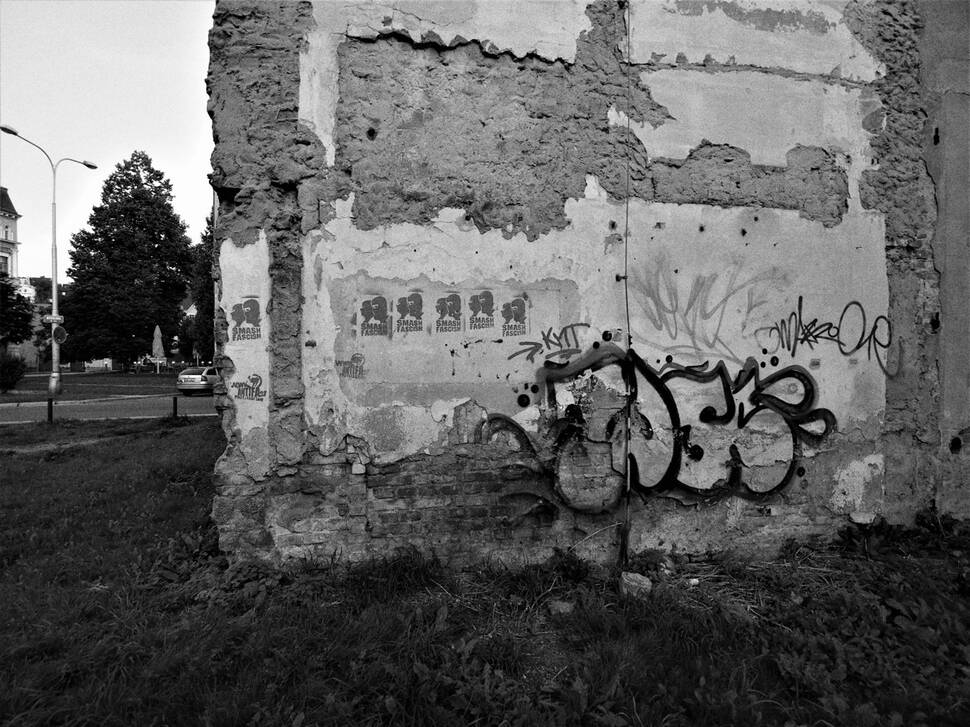
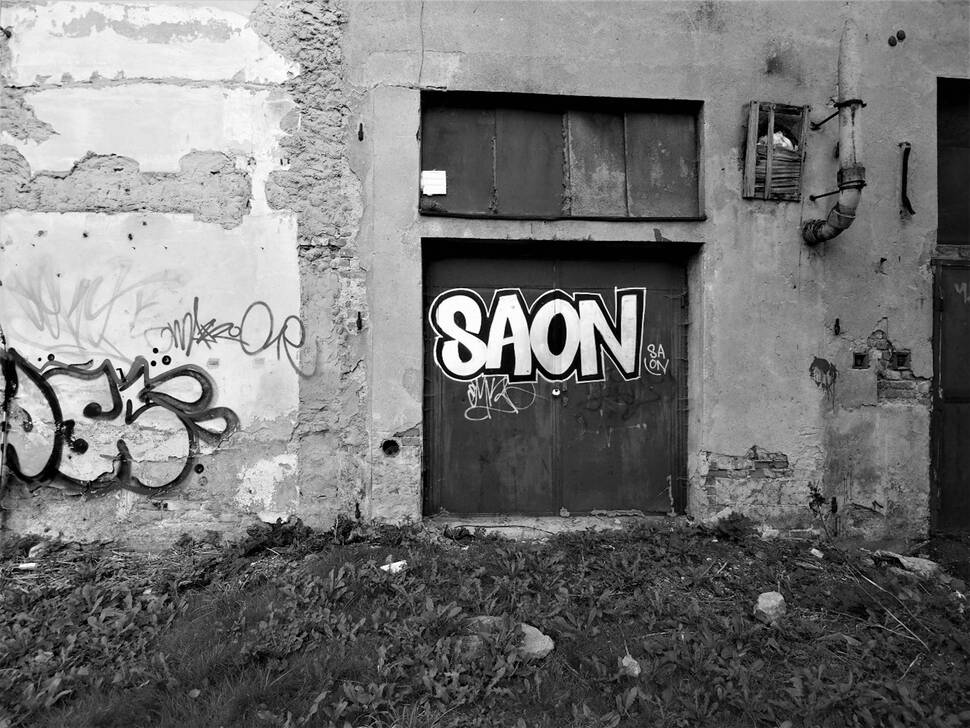
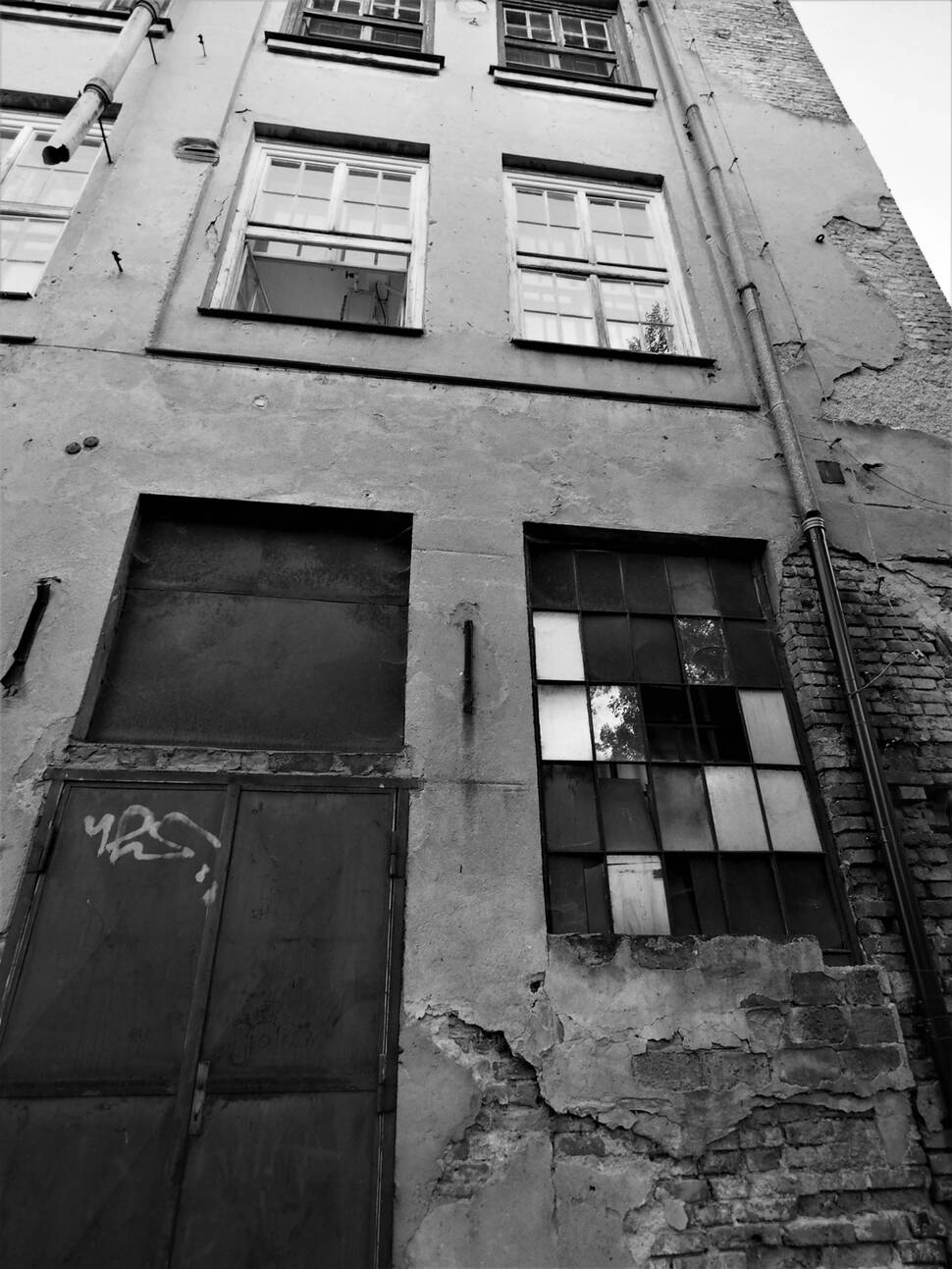
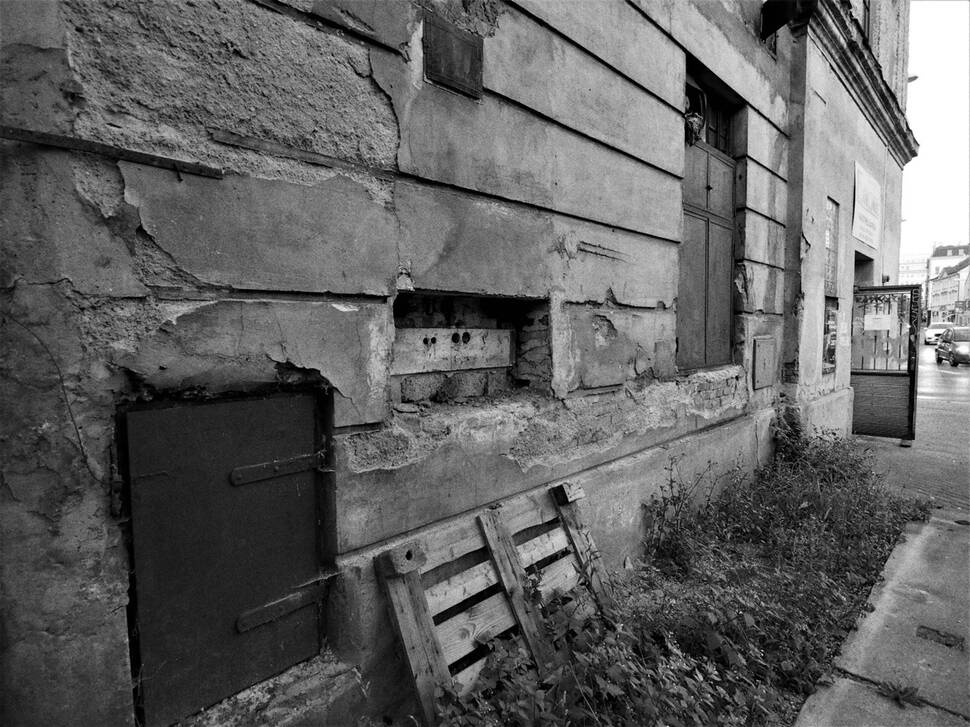

The old Linserka, as Liberec knew it for decades, the fact that it escaped demolition is almost a miracle
On December 20, the overture of the newly renewed Linserka took place. In addition to talking about plaster and facades, there was also a beautiful lecture on the history of this building. Christian Linser was a visionary. And even though his foundry also produced sewer covers, it gradually changed into a pioneering company.
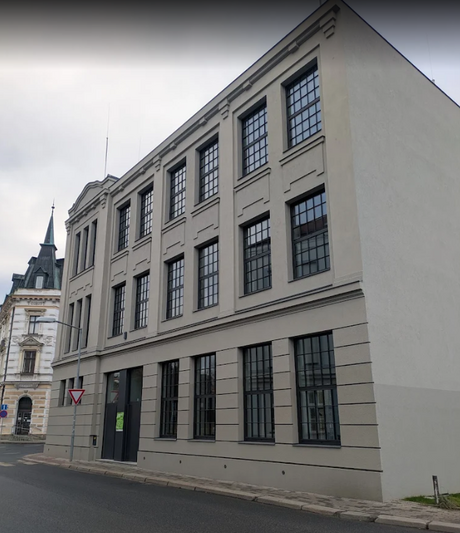
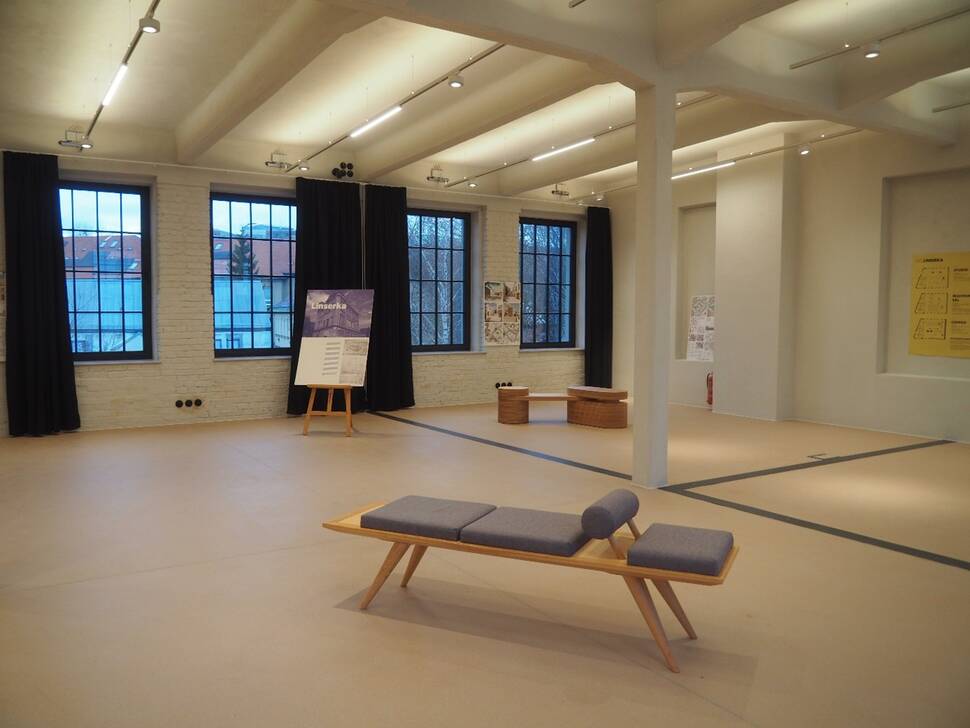

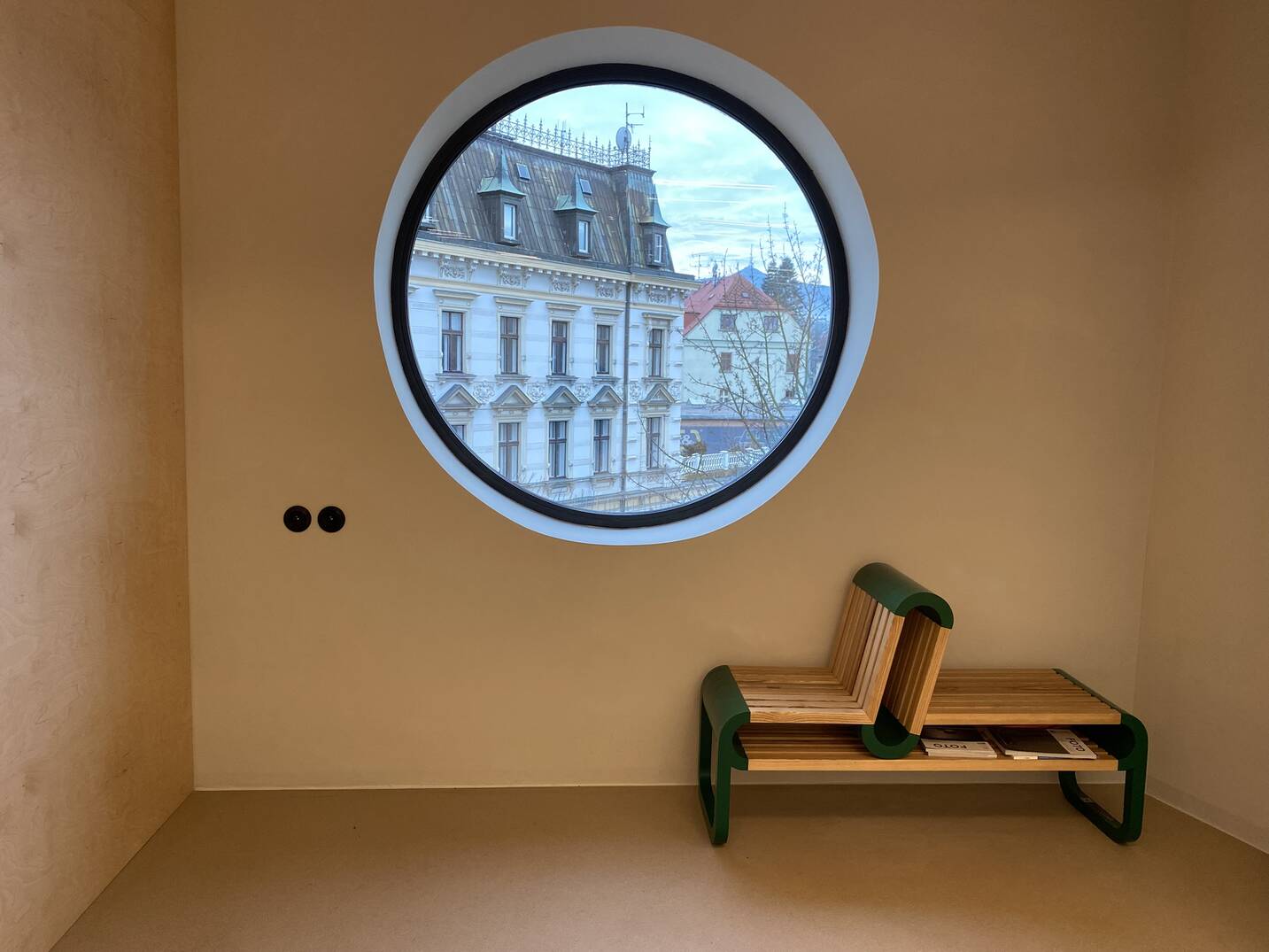
Renovated Linserka premises
In fact, here, right here in this dilapidated building, the foundations of the Ostašov Foundry were created, a company where all metallurgists went to learn. Engine blocks, cylinder heads, brake discs, valve lifters and other and other parts, needed not only for LIAZ trucks, were cast from grey cast iron. How the foundry ended can be seen in the screenshot below. It is also interesting that my boss before the revolution was Milan Exner, but his brother Jaroslav Exner was the boss of this foundry.. That’s why I’ve heard a lot about the Ostašov foundry. And both brothers were real experts, although each oriented in a different direction. However, the market after the revolution showed what was viable and marketable, and what was not. Today, there is nothing left of the production of trucks, Bodycote Liberec was born from that part of us. And our main post-privatization business? Plasma nitriding of valve tappets for LIAZ engines. And to make it a good follow-up, my partner and later director of Bodycote Liberec, Vladimír Procházka, also came from LIAZ, where he worked in the metallographic laboratory.
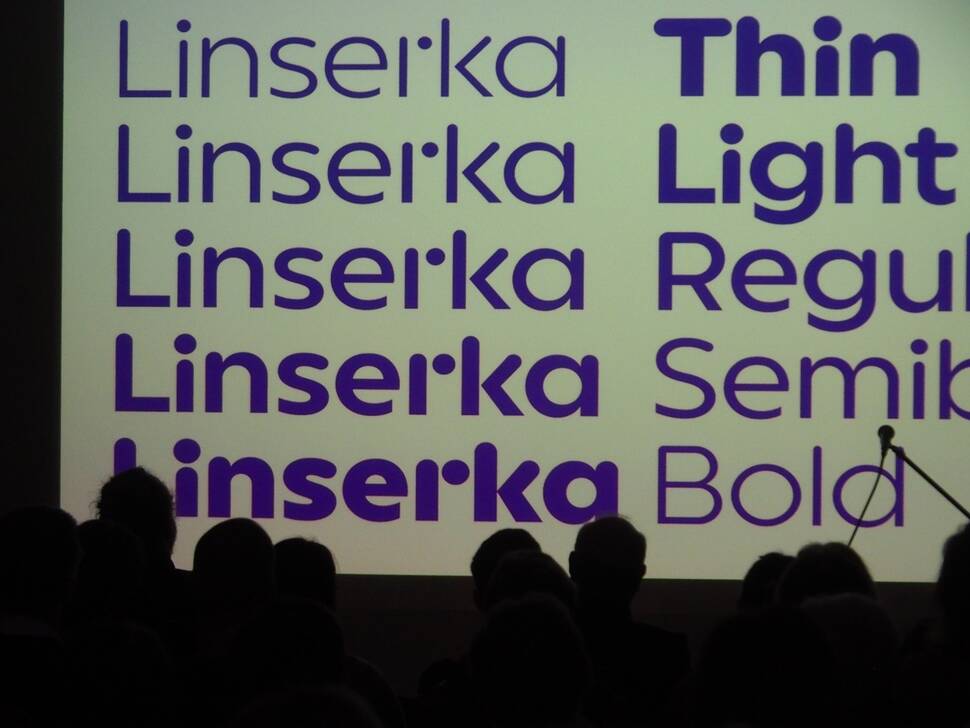
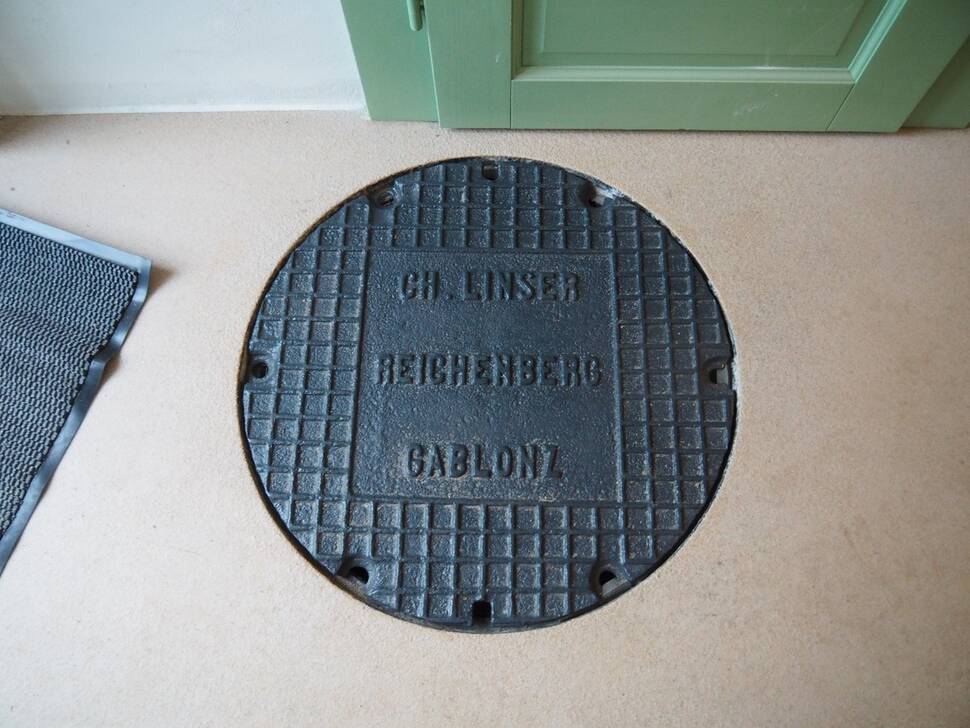
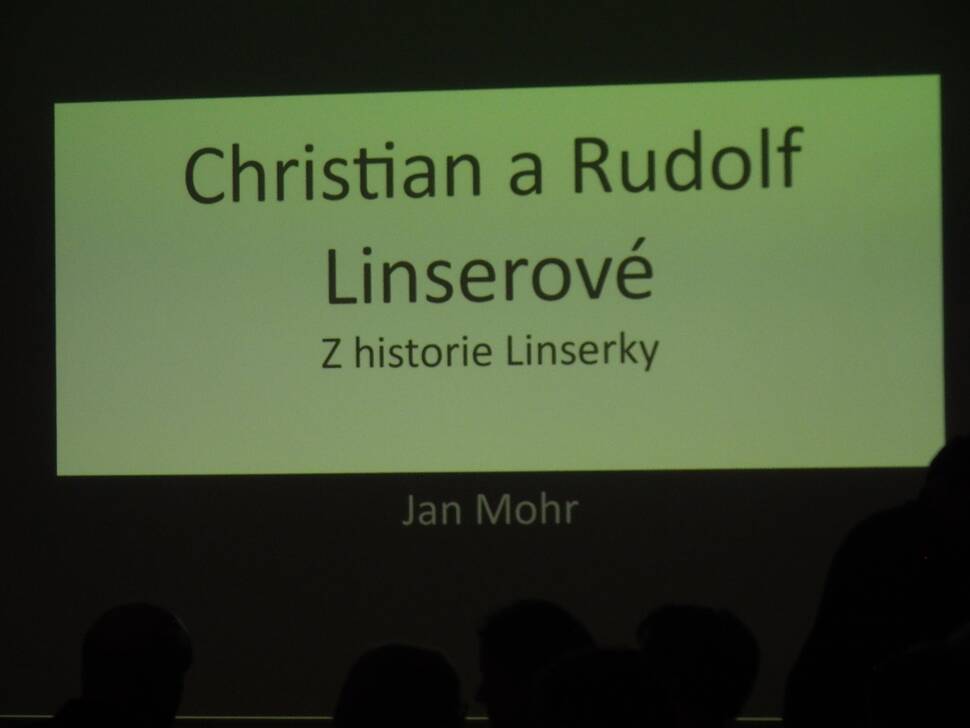
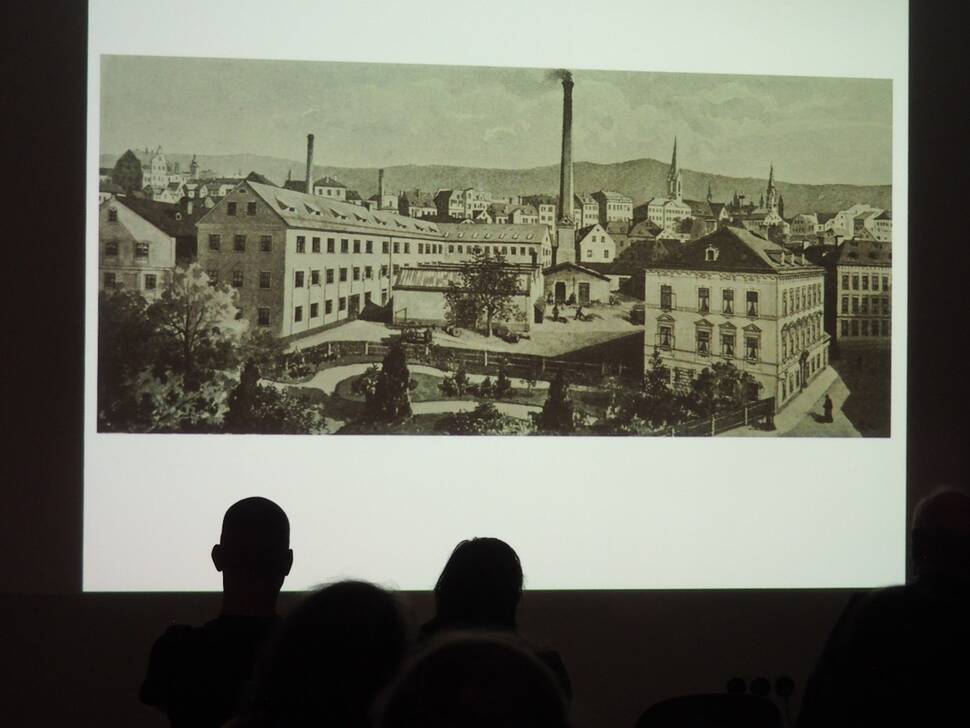
Photos from Dr. Mohr’s presentation
So the reconstruction and history of Linserka was also reflected in my life. In the end, without Christiain Linser and his vision of foundry, motorcycles or cars, neither R.A.F., nor the Ostašov foundry and perhaps even Bodycote Liberec would ever have been created.
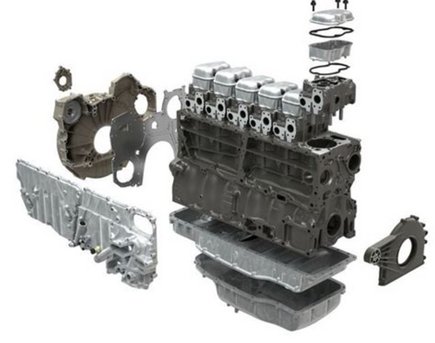
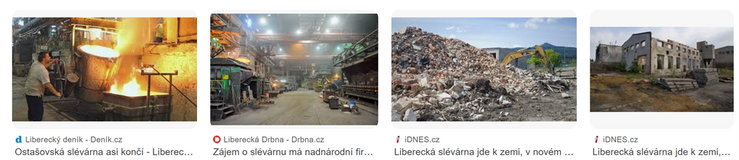
Products of the Ostašov foundry -and its end in the newspapers
And what is today’s Linserka like? I’m not saying it’s beautiful, it’s just a reminder that our grandfathers and great-grandfathers were “smart heads”. And even though today the building is intended exclusively for culture and education, if you enter there, remember that history. From my point of view, she was admirable.
Jiří Stanislav
December 25, 2025