Electromobility II or with electric cars in Kimberley?

In the first part, I detailed the types of cars for electromobility from an article on Linkedin. There would be nothing strange about that. However, in the literature reference there is an Australian project to electrify a route across Western Australia, from Perth to the Kimberley and to Darwin, with detours through Aboriginal reserves.
That really made me laugh. Most readers probably don’t even know where it is, but since I was there once to celebrate my 50th birthday and take pictures of saltwater crocodiles, I once called the trip “Kimberley, the road through hell to heaven”. I’ll try to describe it.
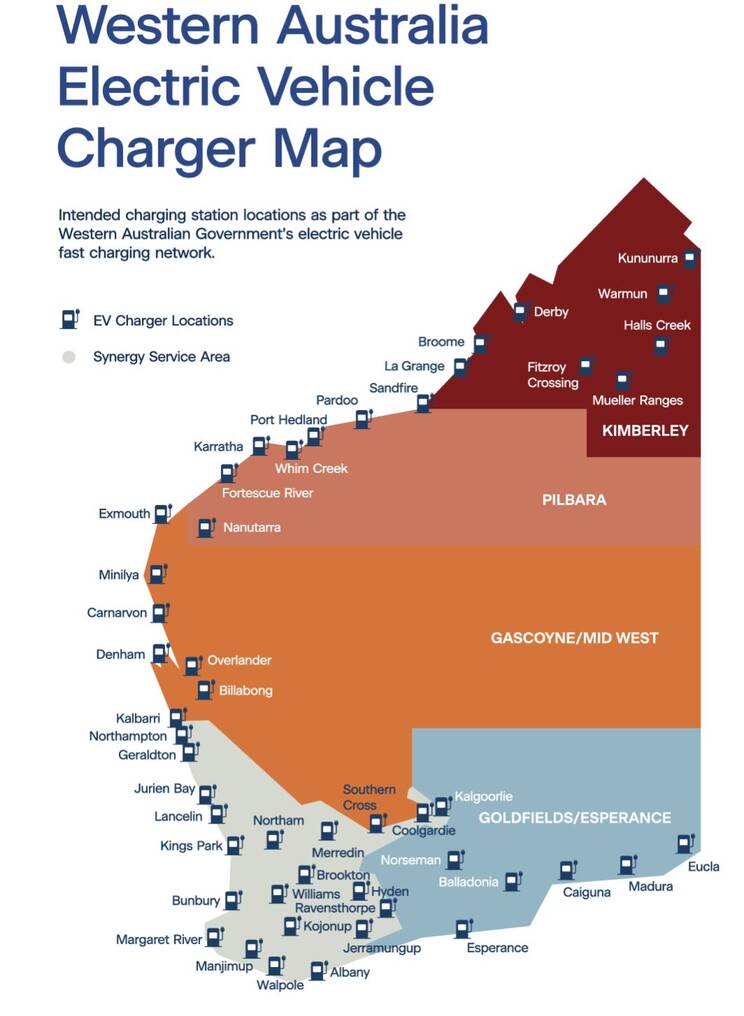
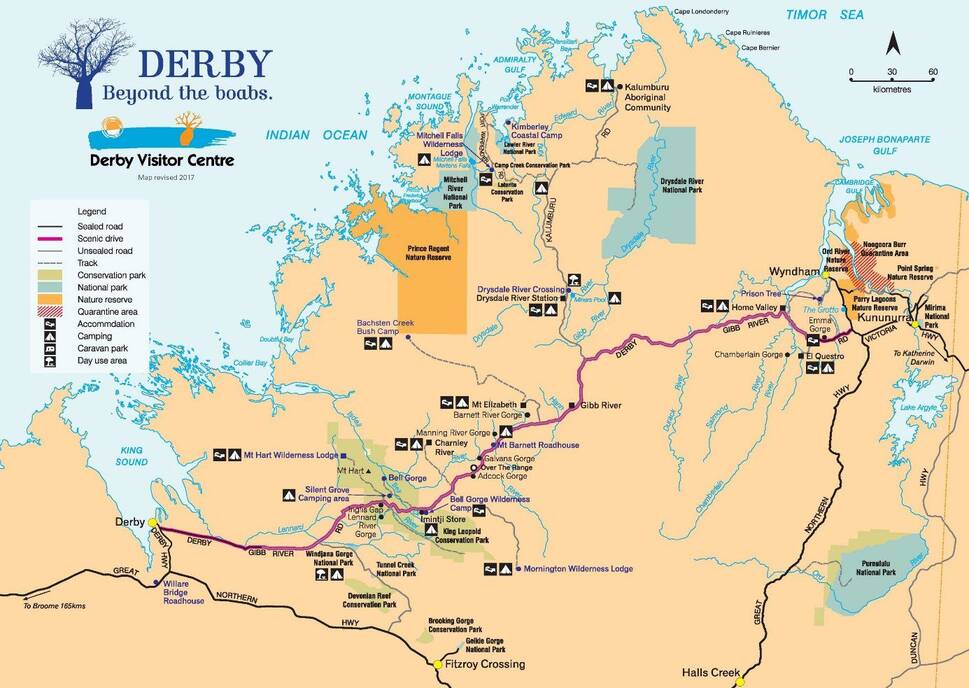
On the map at the top there are places marked as Broom, that is the capital of Kimberley, Derby, Fitzroy Crossing, Warmun, Kununurra. Doesn’t that tell you anything? It’s 3021 km from Perth to Kununurra and we drove it for about a week.
The main connecting road of the Kimberley is a road called the Gibb River Road. We cannot find it on Google maps, nor on Seznam.cz maps. The road looked like this picture. A trace in the bush excavated and leveled with a scraper.
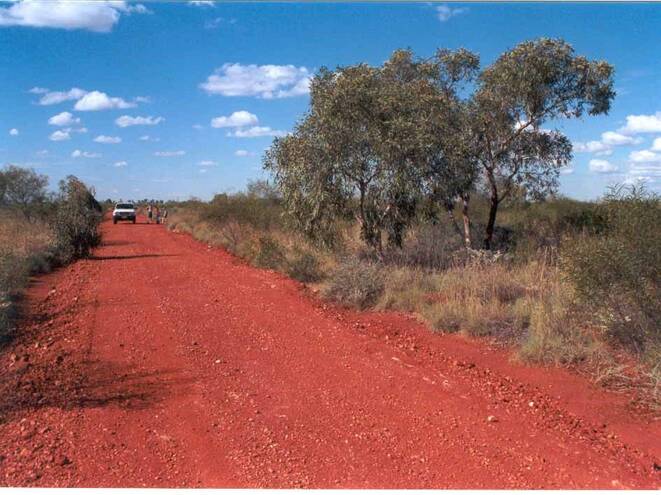
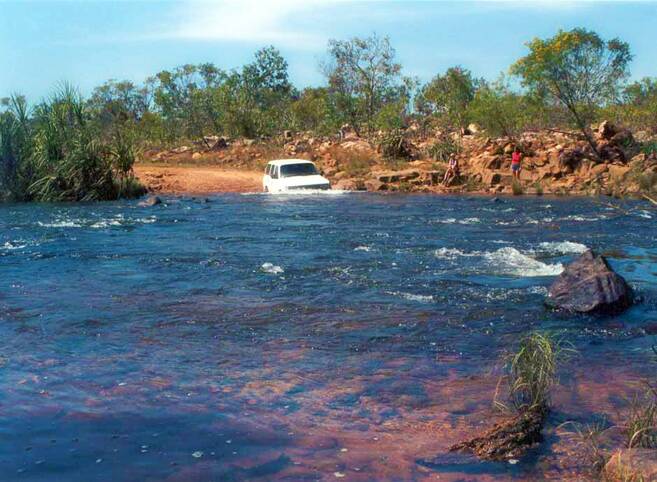
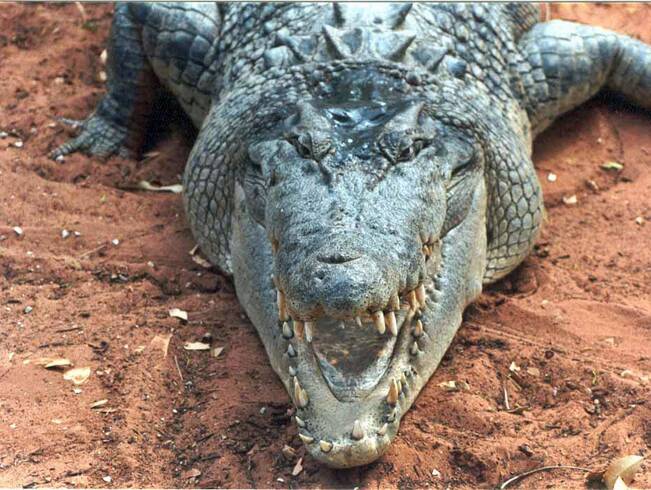
Apart from kangaroos, a few local Aborigines or employees of the endless cattle farms, no one rode it. But if someone already drives it, then 100% in a Toyota vehicle, of any type or age, including Aboriginal mothers driving their children to school. Frequency? One car per day. And sometimes not even that.
As the Kimberley falls within the monsoon rain region, much of the season can be underwater and therefore impassable.
The last gas station at Imintji Community was about 220 km north of Derby, and then nothing. Local cars here were therefore equipped with a large tank and either a second tank or many canisters.
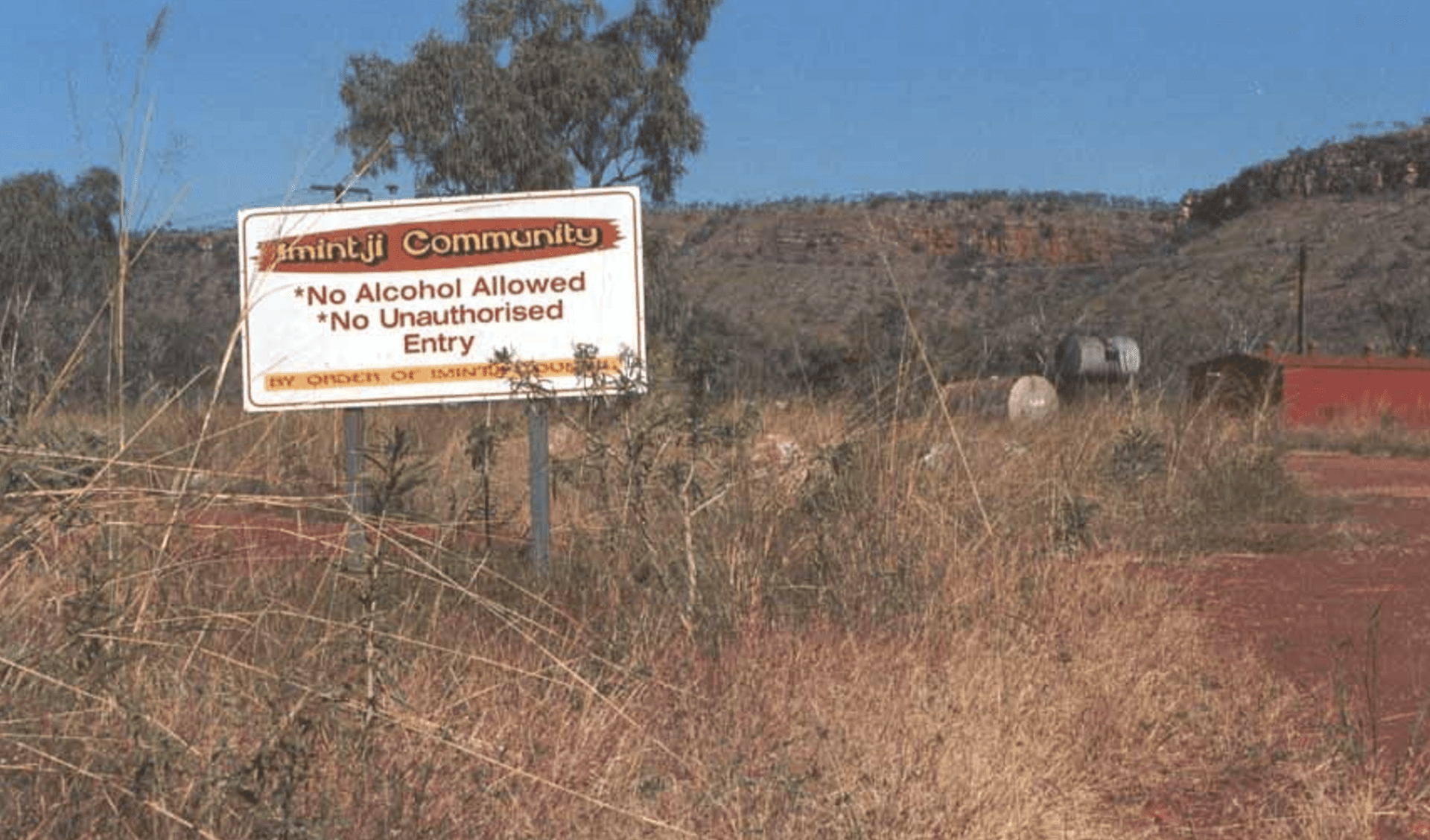
And since it is about 880 km from Broome to Kalumbur along this beautiful red road, it was necessary to drive 660 km from the last pump station to the next pump.
When I looked at the driving distances for BEVs, where the Hyundai KONA leads with 484 km, it somehow doesn’t work out. And we’re talking about the Gibb River Road. But between farms or aboriginal stations, it is also perhaps 100 km or more, but in the terrain, in the desert, in the bush, where you walk at a pace. The thought of running out of battery here really scares me. And how to call for help? It’s not easy either, or at least it wasn’t. There is simply no mobile signal here. Also why, kangaroos don’t call each other.
It is similar here with charging stations. I don’t expect this electrification to stretch power cables for hundreds of kilometers from Darwin, just so someone can charge their car here once a day, but it is possible that there will be solar stations and large capacity batteries. But in the rainy season, it rains and rains for weeks, the sun does not shine…
The project also does not deal with how the Aboriginal people themselves view it. That land is theirs and it is sacred to them. And I doubt they would agree.
What else to say. I really laughed at it at first. But when I imagine the consequences, it is again just a project of some politician who wants to prove that the money collected from our taxes can really be spent in the worst way, on complete nonsense.
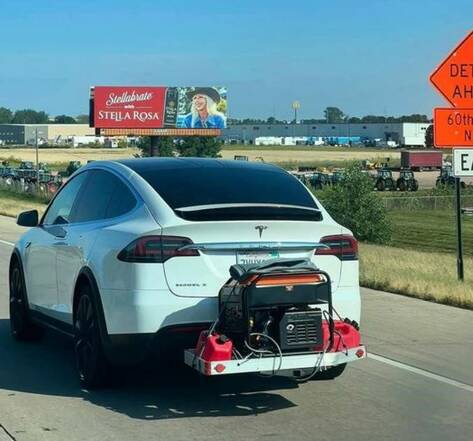
And so the aboriginal do-it-yourselfers probably have no choice but to add something similar to the one in this picture to their Teslas. It’s like a technical revolution in reverse, a full BEV becomes a PHEV, maybe better to go directly to ICE 😊
September 20, 2022
Jiří Stanislav