Electromobility I

Interesting data for electromobility was published on Linkedin. There was a significant year-on-year increase in sales of cars with an electric motor or plug-in hybrids. This makes roughly 8% of all cars sold in 2021.
https://www.linkedin.com/pulse/electric-vehicles-where-market-whats-next-ivo-van-breukelen/
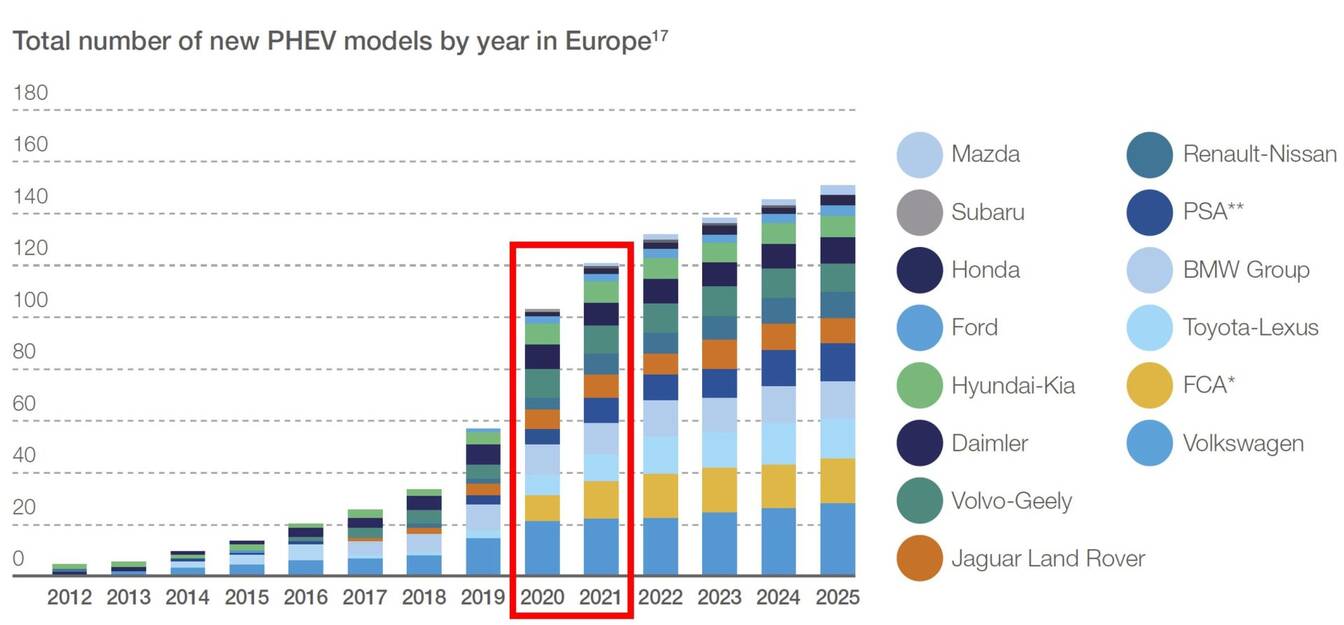
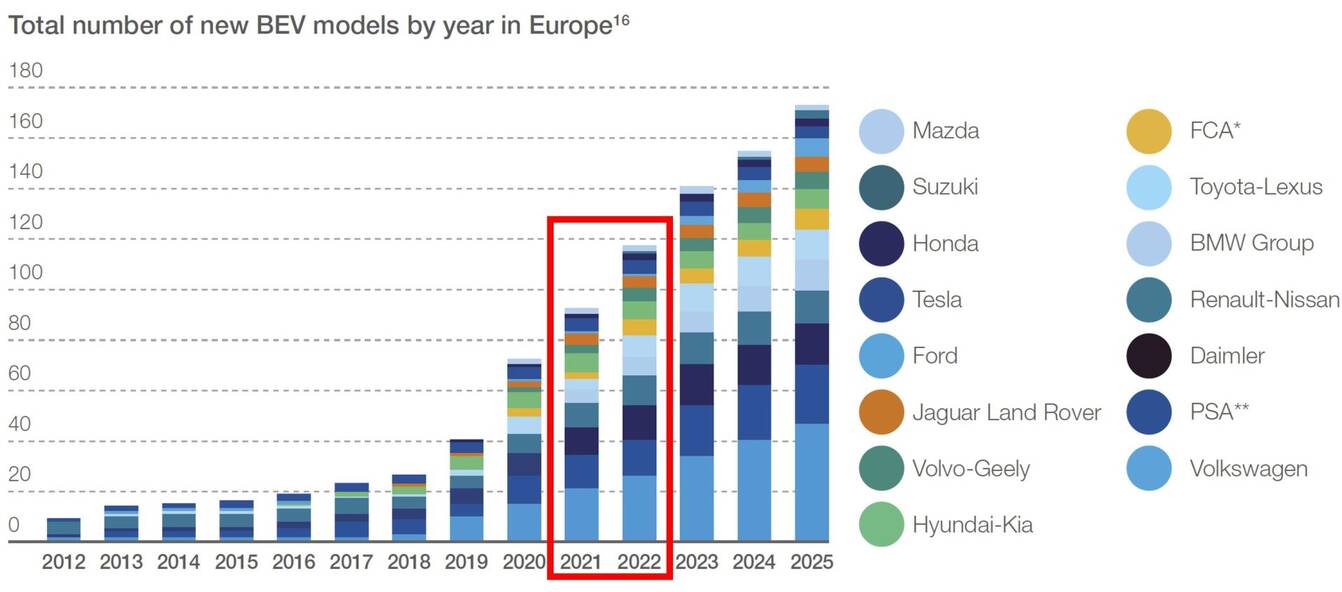
But does everyone technically understand it? And since I didn’t either, I looked around a bit. Strangely enough, I ended up in Western Australia, a piece of land to which I have a strong emotional connection. It made me laugh quite a bit. There I found an understandable explanation.
In terms of energy source consumed, we have these types of cars. Those black clouds below do not bode well for their future.
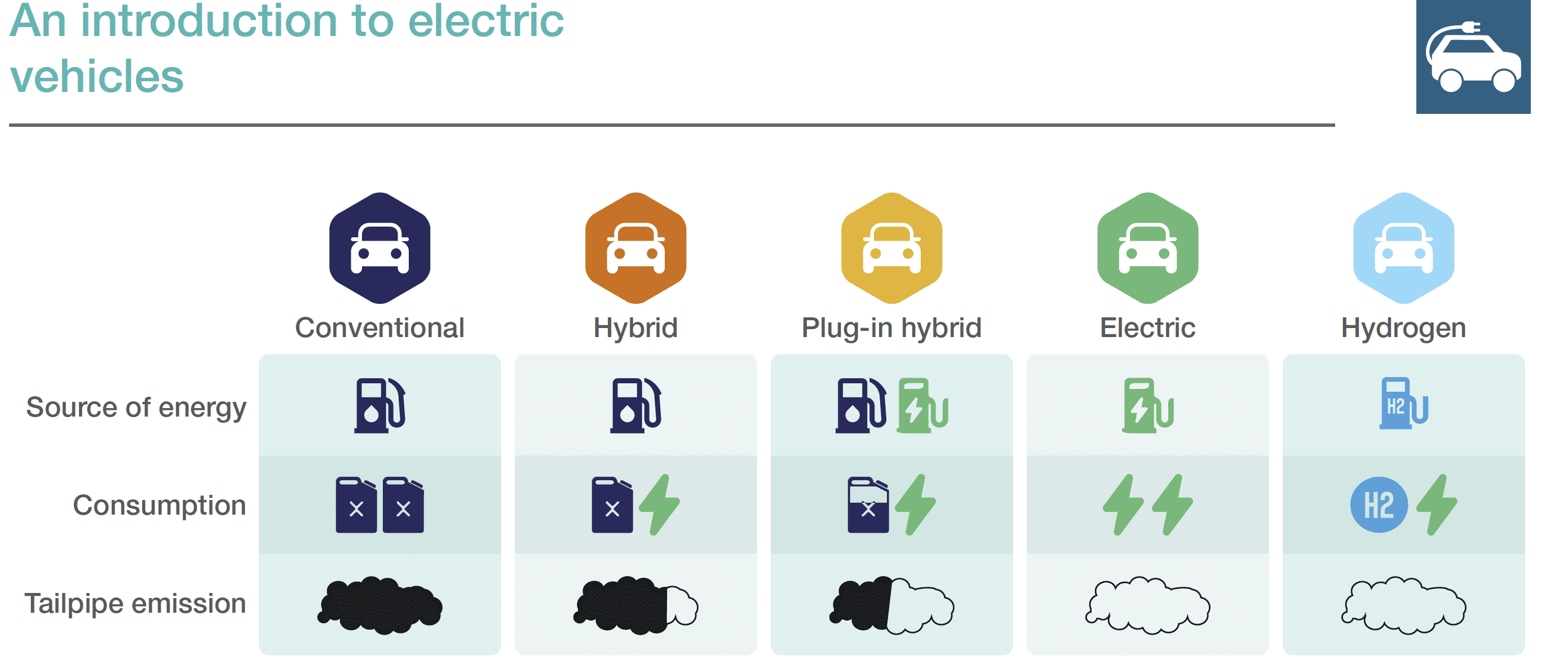
In order to familiarize ourselves with it, the individual abbreviations mean:
ICE – Internal Combustion Engine (classic engine)
HEV – Hybrid Electric Vehicle (classic engine + additional electric motor to cover performance peaks, with a battery range of up to 5 km)
PHEV – Plug-in Hybrid Electric Vehicle (Classic engine and electric motor with full power, with a range of up to 70 km)
BEV – Battery Electric Vehicle (Electric motor with full power, with a range of up to 484 km)
FCEV – Fuel Cell Electric Vehicle.
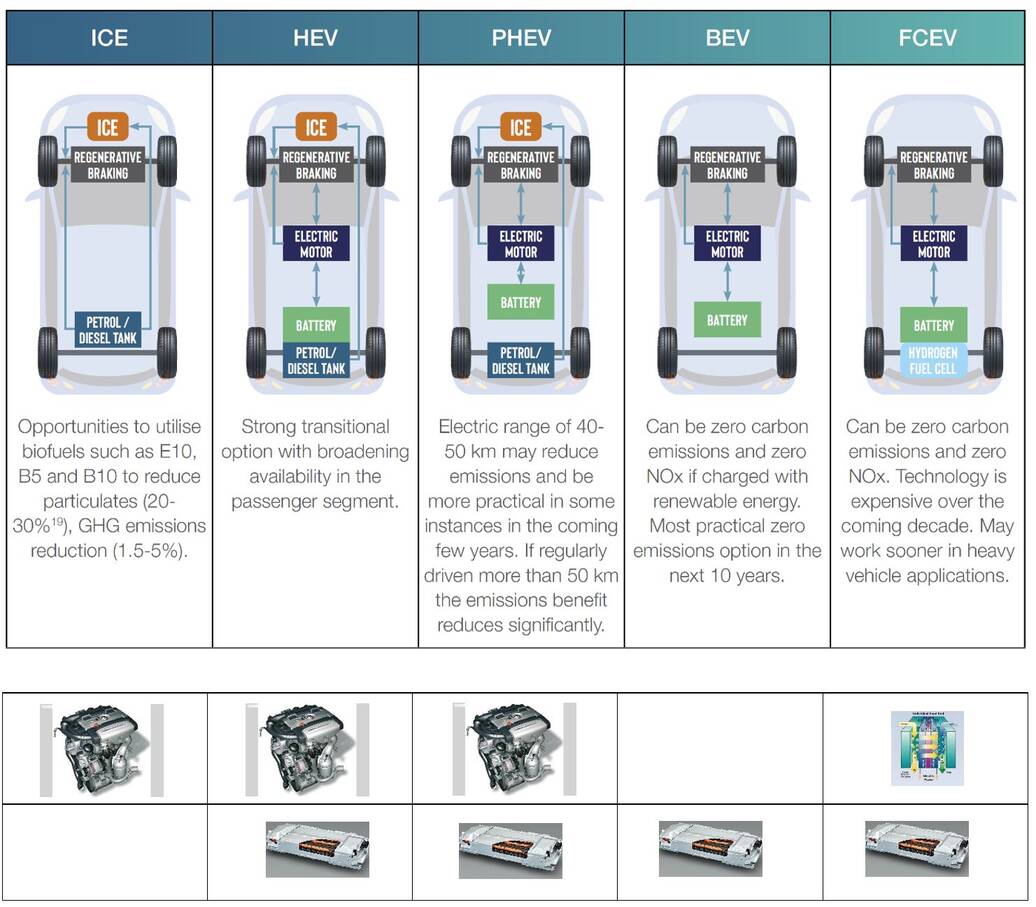
What does this imply? If the “Green Deal” were to remain with the HEV and PHEV variants, the field of heat treatment would not have problems. In addition to the classic engine and gearbox, the car will have an electric motor and battery, small or large, battery cooling and a lot of other little things.
Unfortunately, those black clouds above say that this is only a temporary solution.
The goal are cars without a classic engine, i.e. BEVs and FECVs. But what in this case? God, all we have left is the gearbox. And since the commercial heat treater will certainly not solder the additional battery coolers and other components, then we will run out of about 30% of the iron for heat treatment.
At the same time, however, the need for tools for low or high pressure aluminum casting will increase, because the extra weight of the battery must be saved somewhere in terms of weight. But it will only help the vacuum heat treatment plants.
And how will the commercial heat treatment market respond? For those who have not done anything for automotive until now, nothing will probably happen to them. For the others, it will be a disappointment.
In order for electric cars to really be sold, the following needs to be ensured:
1) EVs must come with a charging cabel,
2) Adapters must be available for standardized public chargers,
3) Used vehicles must have battery health metrics so buyers know what they’re getting,
4) Batteries must hold 70% of range for 10 years/240 K km (80% after 2030 model year),
5) Warranties must guarantee 70% of battery capacity for 8 years/160K km (75% in 2031 model year) and
6) EV repair information must be disclosed to independent repair shops.
And what options do we have?
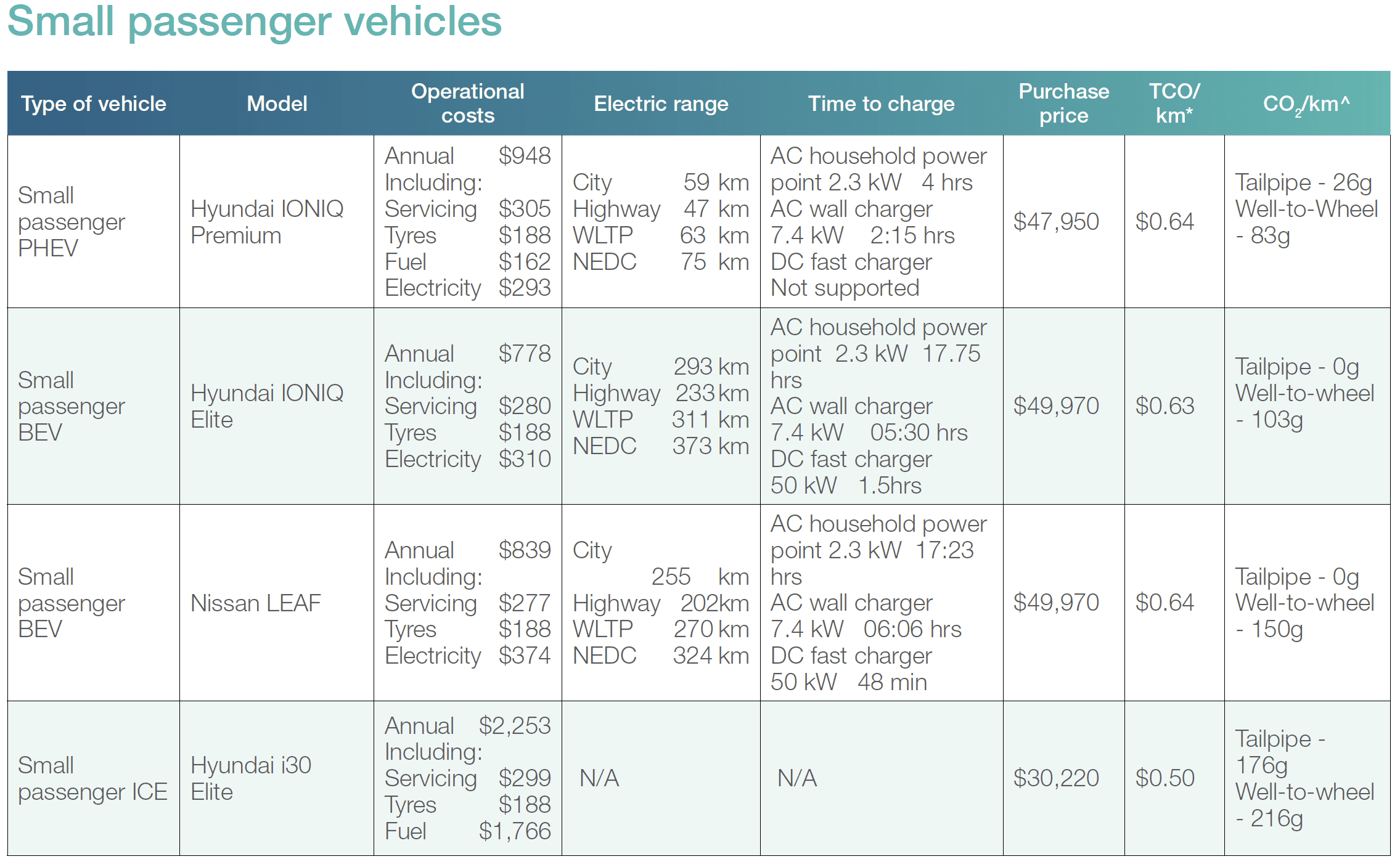
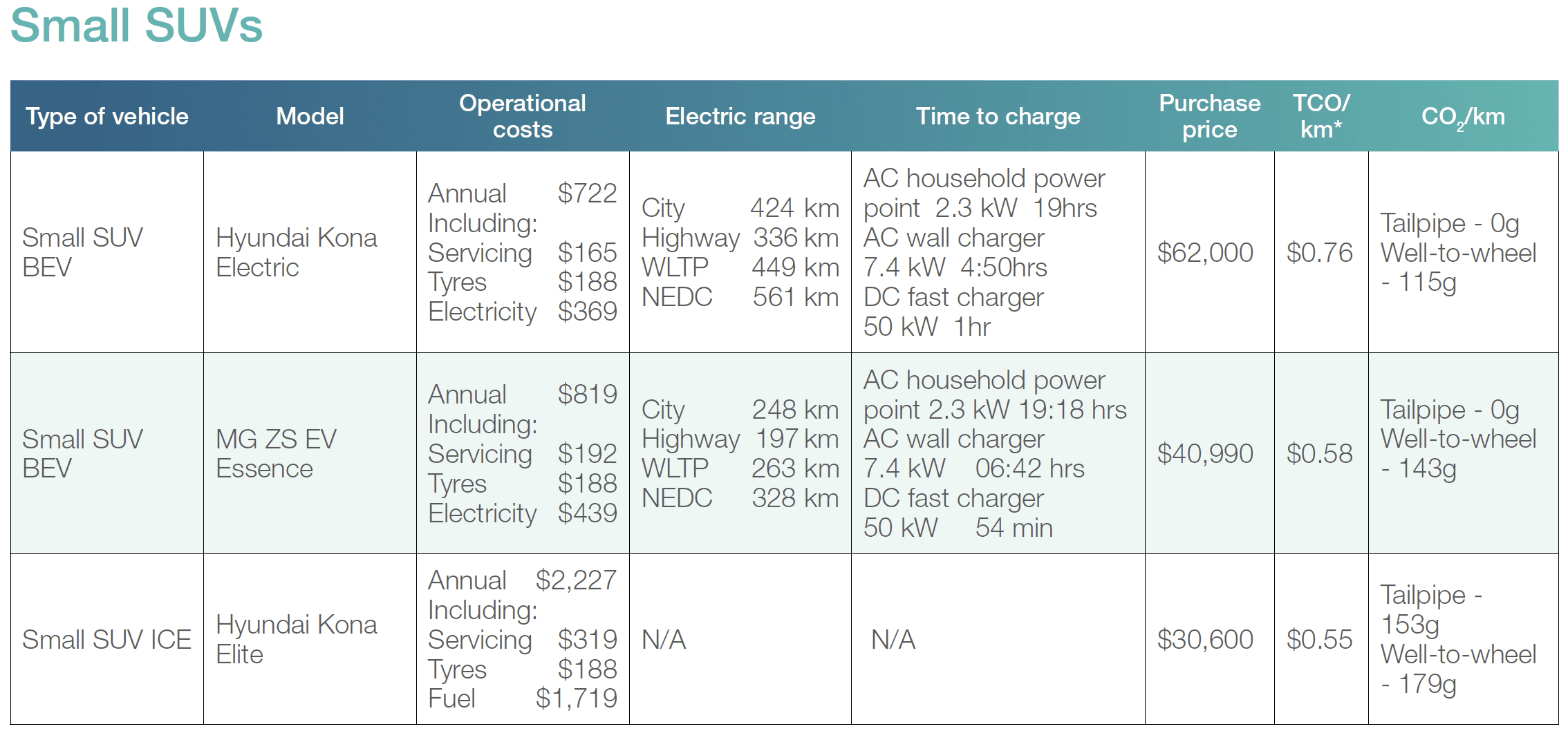
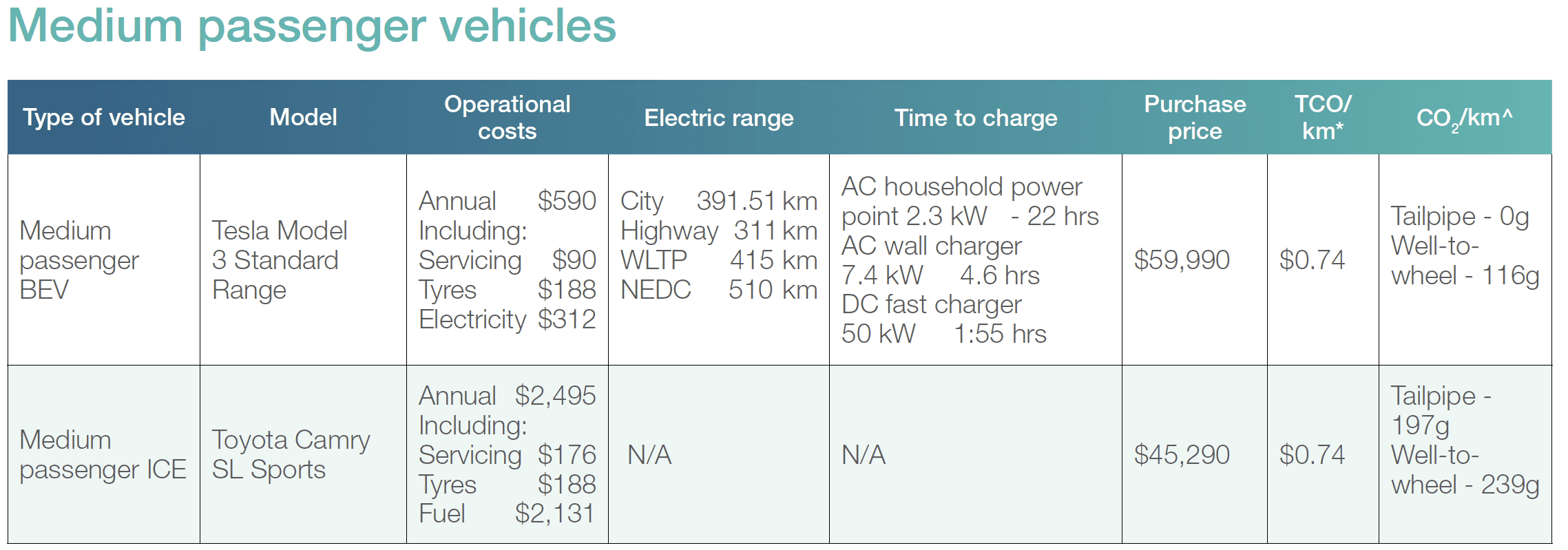
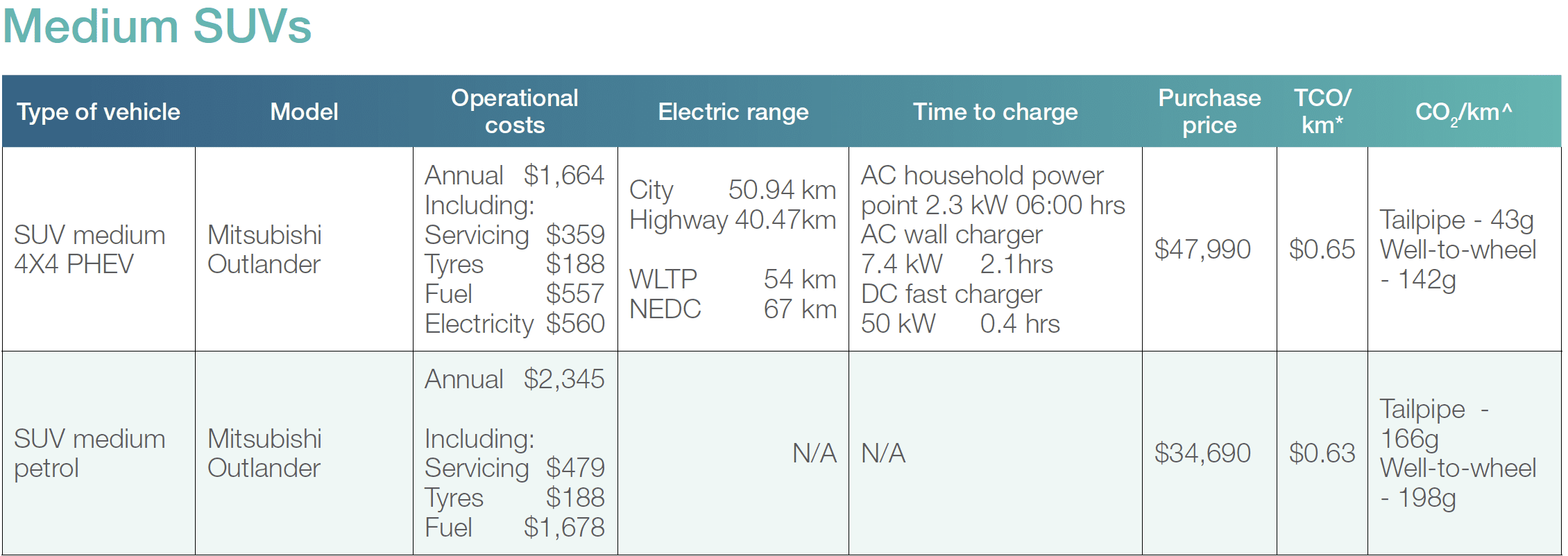
Next pictures thanks to this source:
https://afdc.energy.gov/vehicles/how-do-fuel-cell-electric-cars-work
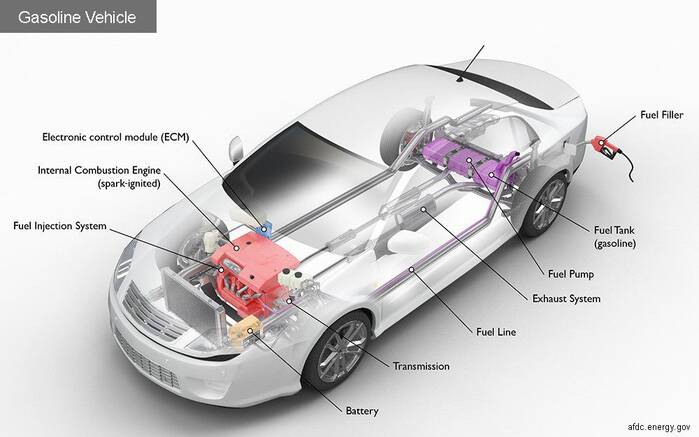
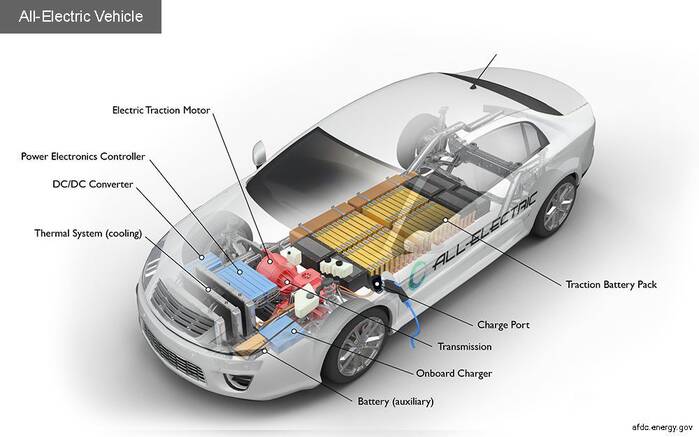
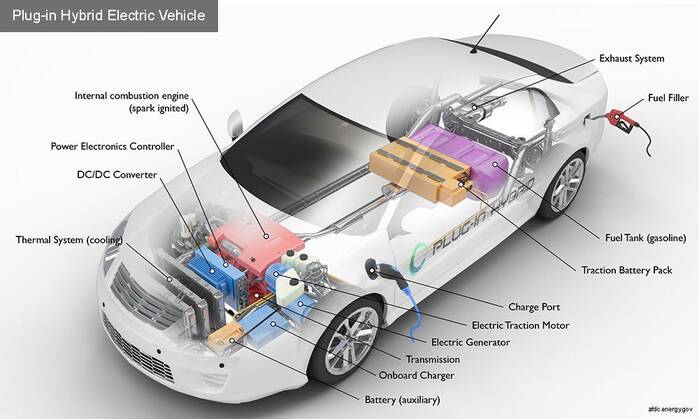
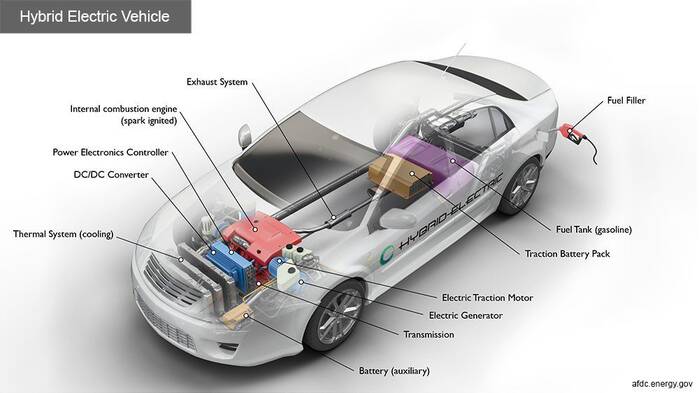
And what amused me the most? That’s it in the second part of Electromobility.
September 19, 2022
Jiří Stanislav