NEXTGEN – ENERGETIKA 2035+

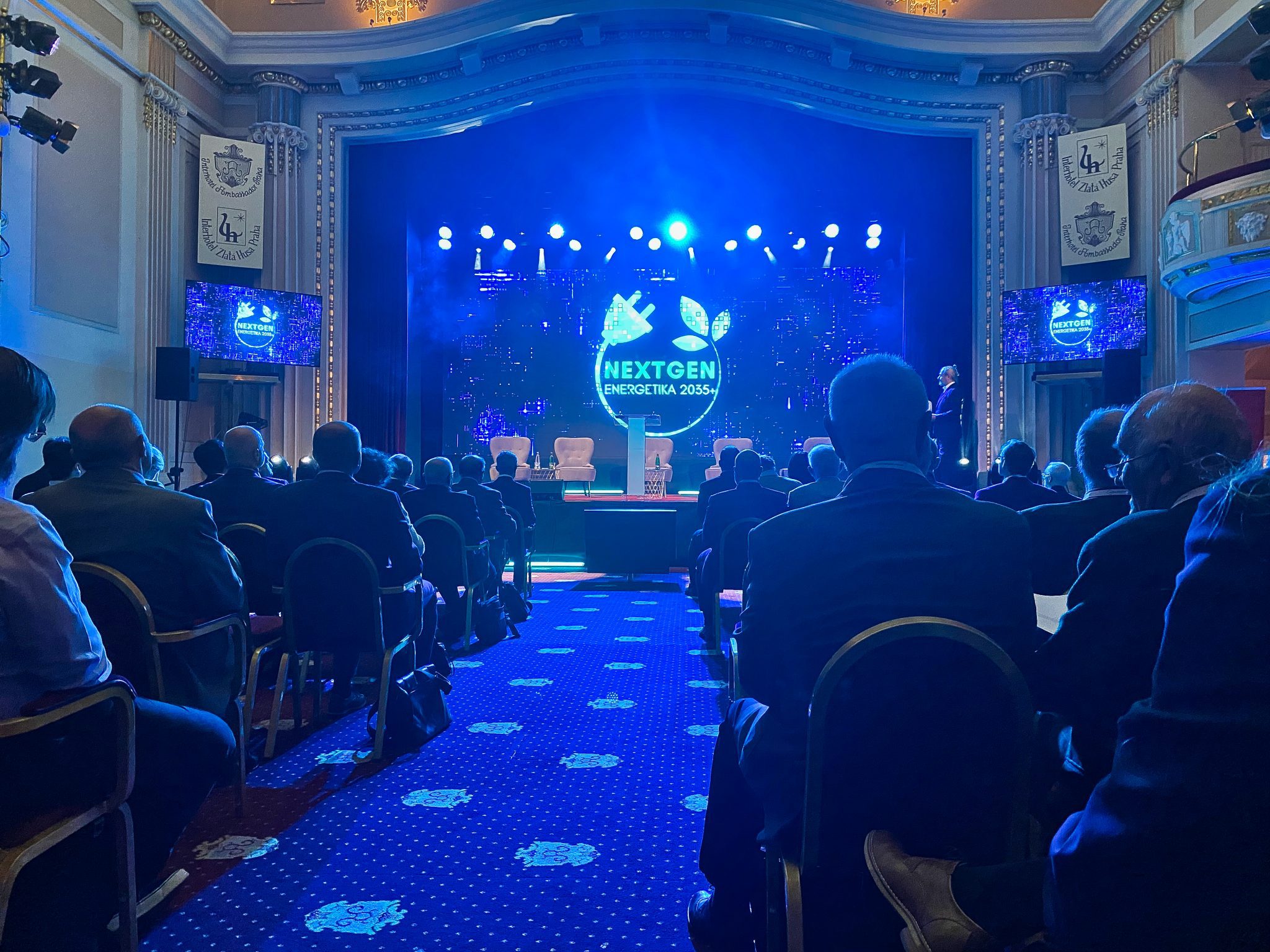
The Institute for Politics and Society organized a conference on Tuesday on the topic of Energy 2035+. You can find more about the program here (https://www.politikaspolecnost.cz/aktualne/nextgen-energetika-2035-2/) including a recording of the conference. Because I am a curious person, I signed up. After all, it doesn’t hurt to learn a little more from time to time, especially since I have been responsible for purchasing electricity and gas myself since 1992. I also wanted to understand what will happen next, because energy is becoming absolutely crucial for the further development of heat treatment.
The first topic was SAFE ENERGY AT A FAIR PRICE with the participation of
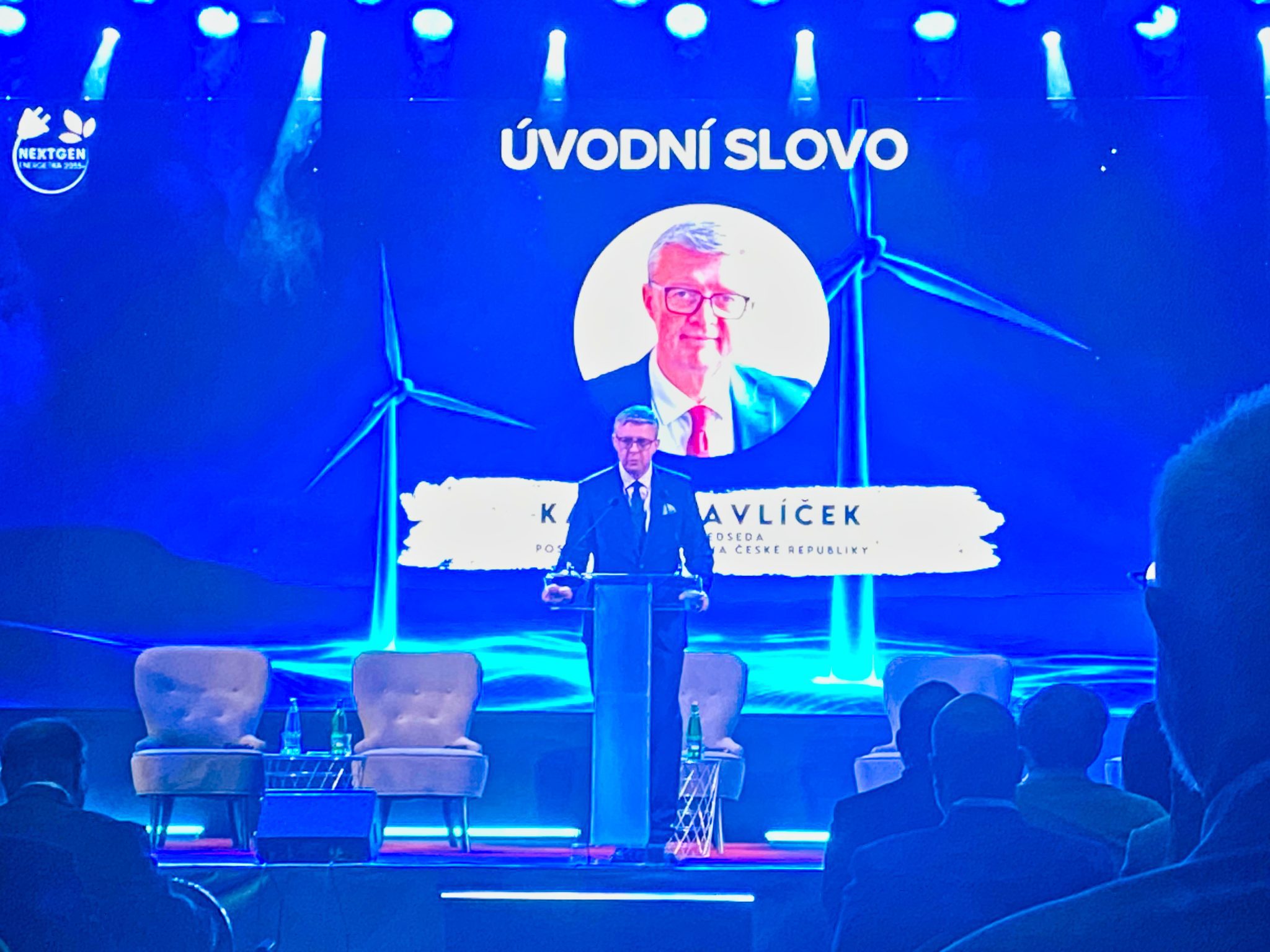
- Karel Havlíček, Deputy Chairman, Chamber of Deputies of the Parliament of the Czech Republic
- Václav Bartuška, Special Representative for Energy Security, Ministry of Foreign Affairs
- Alois Míka, advisory KHNP (Korea Hydro & Nuclear Power), ČSOB
- Martin Kašák, Director of the Energy Market Section, ČEPS
The second topic is MODERNIZATION AND CONSTRUCTION OF NUCLEAR SOURCES IN THE CZECH REPUBLIC, which I consider to be the topic of the day.
- Tomáš Kubín, Member of Parliament, European Parliament
- Kamil Števanka, Head of the Department for the Development of New Nuclear Sources, Ministry of Industry and Trade
- Petr Závodský, Chairman of the Board of Directors and CEO, Dukovany II Power Plant, Temelín II Power Plant, ČEZ Group
- Daneš Burket, President, Czech Nuclear Society; Director of the Research and Development Strategy Section, Řež Research Center
The afternoon continued with the topic of INTEGRATION OF RENEWABLE SOURCES INTO THE CZECH ENERGY SECTOR with the team
- Petr Holub, Senior Director of the Climate Protection Section, Ministry of the Environment
- Jiří Šimek, CEO, Innogy Energo; Vice Chairman of the Board, COGEN Czech
- Martina Krčová, Member of the Council, Energy Regulatory Office
- Marek Lang, Member of the JRD Board of Directors; Vice-Chairman, Alliance for Energy Self-Sufficiency
- Martin Sedlák, Program Director, Association of Modern Energy
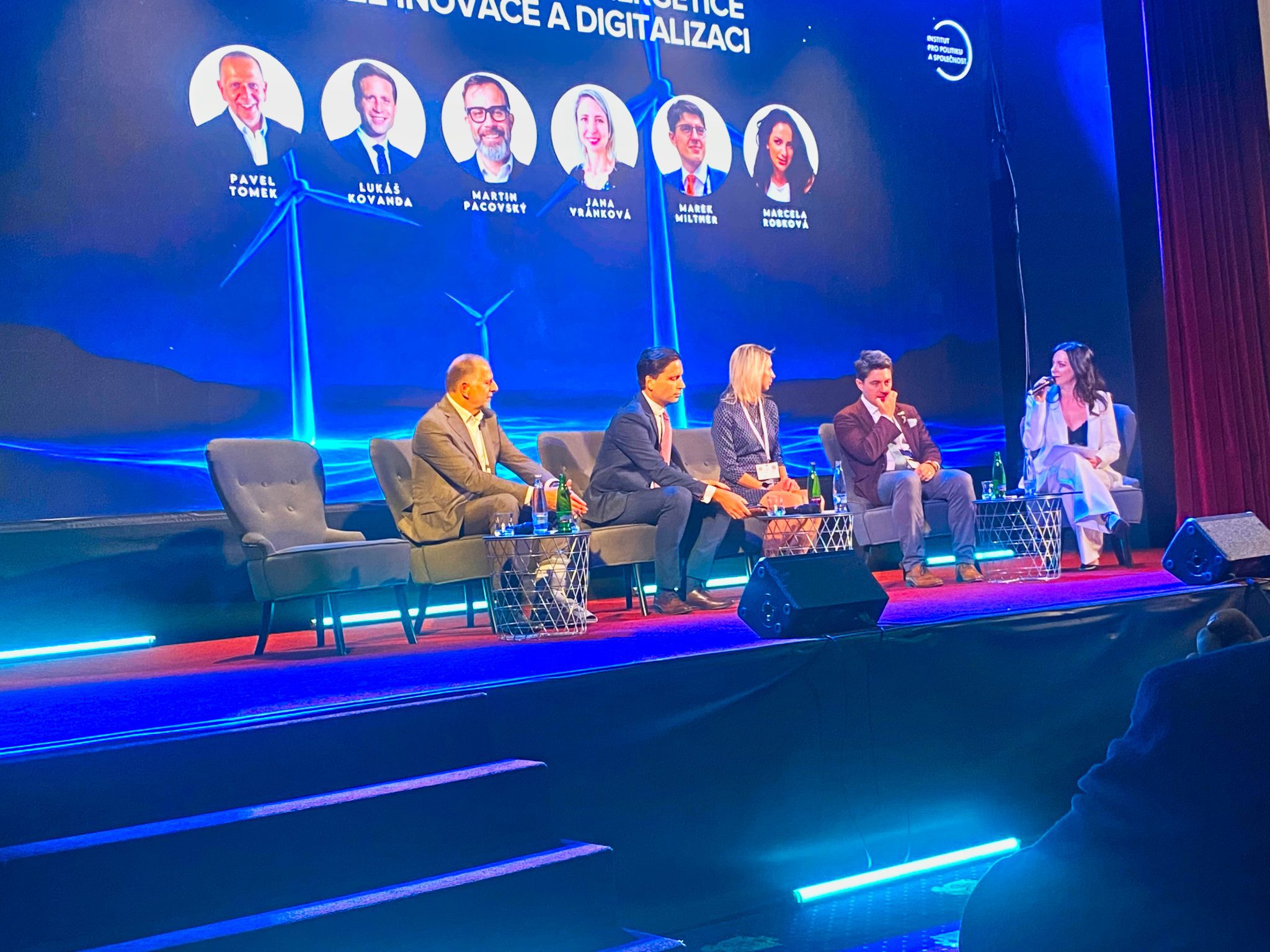
And finally, the topic THE PATH TO MODERN ENERGY THROUGH INNOVATION AND DIGITALIZATION
- Pavel Tomek, Chairman of the Supervisory Board of the Group, Sokolovská uhelná and SUAS GROUP
- Lukáš Kovanda, Chief Economist, Trinity Bank
- Martin Pacovský, Investment Director, Arete
- Jana Vránková, Analyst, Electric Power Data Center
- Marek Miltner, researcher in AI for sustainable energy, CTU and Stanford University
And what did I learn? What was my impression? First: it was all talk of the type “we should”, “if it were, it wouldn’t be”, “we will do it in the future….” I must say that I was as in Jiřík’s vision. All those speakers acted as if there was no energy sector to this day, as if nothing had happened, as if its price had not increased x-fold since 1992 and with the prospect that it was far from over. On top of that, a person representing the financing sector mentioned Putin in every other sentence, which I found ridiculous, except perhaps if Putin had been the author of our great Green Deal. Now I can say that each of the speakers and discussants had many titles, a rich career in both politics and energy, but none of them said anything that looked like a plan.
It was beautifully summed up by a person who was not there, but cannot be attributed to ignorance of the problem, Prof. Ing. Radek Škoda, Ph.D., MSc from TUL Liberec, in connection with the situation regarding the tender for Dukovany.
“If you watch a hockey championship and a team loses the championship twice in a row, you need to change coaches. Otherwise, you won’t win!”
The full article can be found here: https://www.fintag.cz/2025/05/15/tendr-na-dukovany-smeruje-ke-dnu-tvrdi-profesor-radek-skoda/?utm_source=www.seznam.cz&utm_medium=sekce-z-internetu#dop_ab_variant=1483500&dop_source_zone_name=hpfeed.sznhp.box&dop_vert_ab=1483500&dop_vert_id=int1&dop_req_id=N7vxYQs1cz8-202505151059&dop_id=99989121
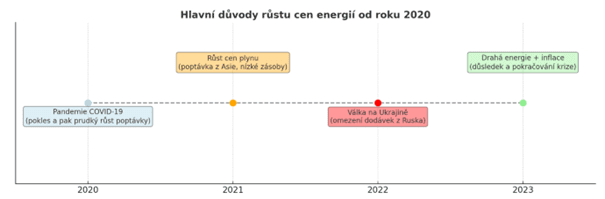
And that is exactly my impression. If those who lectured on Tuesday are supposed to be the ones who will save our energy sector, then God be with us. The fact that we have the most expensive energy in Europe is a consequence of the control of energy politics, not those who produce or need the electricity. I have already written about this, for example here https://www.jstconsultancy.cz/dukovany-v-kalirne/ , or here https://www.jstconsultancy.cz/elektrina-jeste-jeddou/ and here https://www.jstconsultancy.cz/jak-nas-cez-odira/ . The problem is not in the Leipzig Stock Exchange or in emission allowances, even though the price of around €90/MWh is nothing that would make me happy. Converted to CZK 2.25/KWh for power electricity, it is only an increase of 125% compared to the past. Back in 2013, when I was buying electricity for Bodycote, its price was around €40/kWh, or 1 CZK/kWh. But that was not far from the times when we started with the first private heat treatment shop in LIberec in 1992. So, if there was a turning point, it would be around 2020, and the only connection there is in the price of natural gas, which forms the closing price on the energy exchange.
If it were nuclear energy, there would be nothing to worry about. But in Germany, a different opinion prevailed, and so it turns out as described here:
And this politics continues to drag on throughout Europe. The European Commission is not in favor of nuclear power. And as I see it, it will continue to do everything to ensure that no Temelín or Dukovany is built. The whole tender game has really become a game, ending with what Professor Škoda describes. I do not want to create conspiracy theories here, but as Professor Škoda writes:
“During the process, the ministries of industry, finance and ČEZ changed the structure of the Dukovany 2 power plant. And by changing the structure of this company, they will again have to apply for notification from the European Commission. Notification is an act when you want to support a private entity with public funds. This act has already been done here for one reactor. But by changing the structure of EDU 2, they will have to do it again for one reactor and then expand it to two. Last time it took them two years”.
So is it really just negligence, ignorance or intention? Better not to think. Just the sentence about supporting a private entity from public sources is a warning, because the question immediately arises why the strategic source of energy is still a private, or rather semi-private company? Do you remember the coupon privatization? I also owned ČEZ shares. And if the state managed to expropriate our first heat treatment shop HT-PROGRES in Puškinova Street in the public interest, just so that skiers could get to Ještěd better, then what more can be imagined under the term “public interest” than the energy security of the state.
The European Commission, the EU’s executive body, sees it differently. This executive body has 27 commissioners, and when I look at their composition, it is clear that a new notification of the changed ownership structure has no chance.
It was mentioned here that Austria or Germany, for example, have such a law, and it was applied to the extension of the TAL oil pipeline from Trieste to Germany. The building permit was secured within 2 months!! But again, what a position it is in… no one here at the conference said that such a law was already in parliament, no one said that such a law was being prepared or that anyone was working on it at all. Only sighing, what if, what if…
Since it was also said here that the European Commission decided that nuclear energy cannot provide green hydrogen, I doubt that it would accept that the final energy on the exchange will be nuclear energy, and not gas.
Postponing the decision until 2028 is a complete disaster not only for nuclear, but also for hydrogen.
So, to sum it up, this whole show was useless, because this is a loss for politicians, not energy professionals. But what really came out of the discussion was the statement that there is no one to blame for the gradual increase in energy prices, and that it was only by coincidence that gradual, creeping steps led us to this situation. But it’s like steel hardening. If the result is wrong, either the input was wrong, or the path was set wrong ……
The graph below shows the difference in the energy policies of individual countries. Everyone buys on the EEX in Leipzig, or within the single European electricity market (the so-called Single Day-Ahead Coupling, SDAC), from similar entities. So, everyone buys at almost the same price. As a result, the price of electricity in Germany is almost twice as high as in Spain or Sweden.
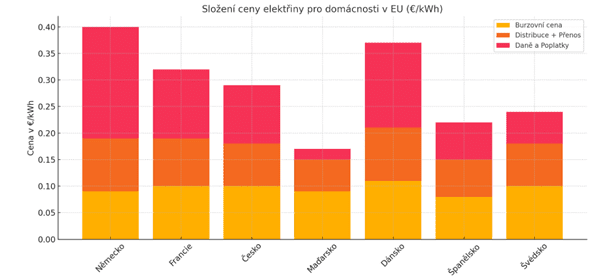
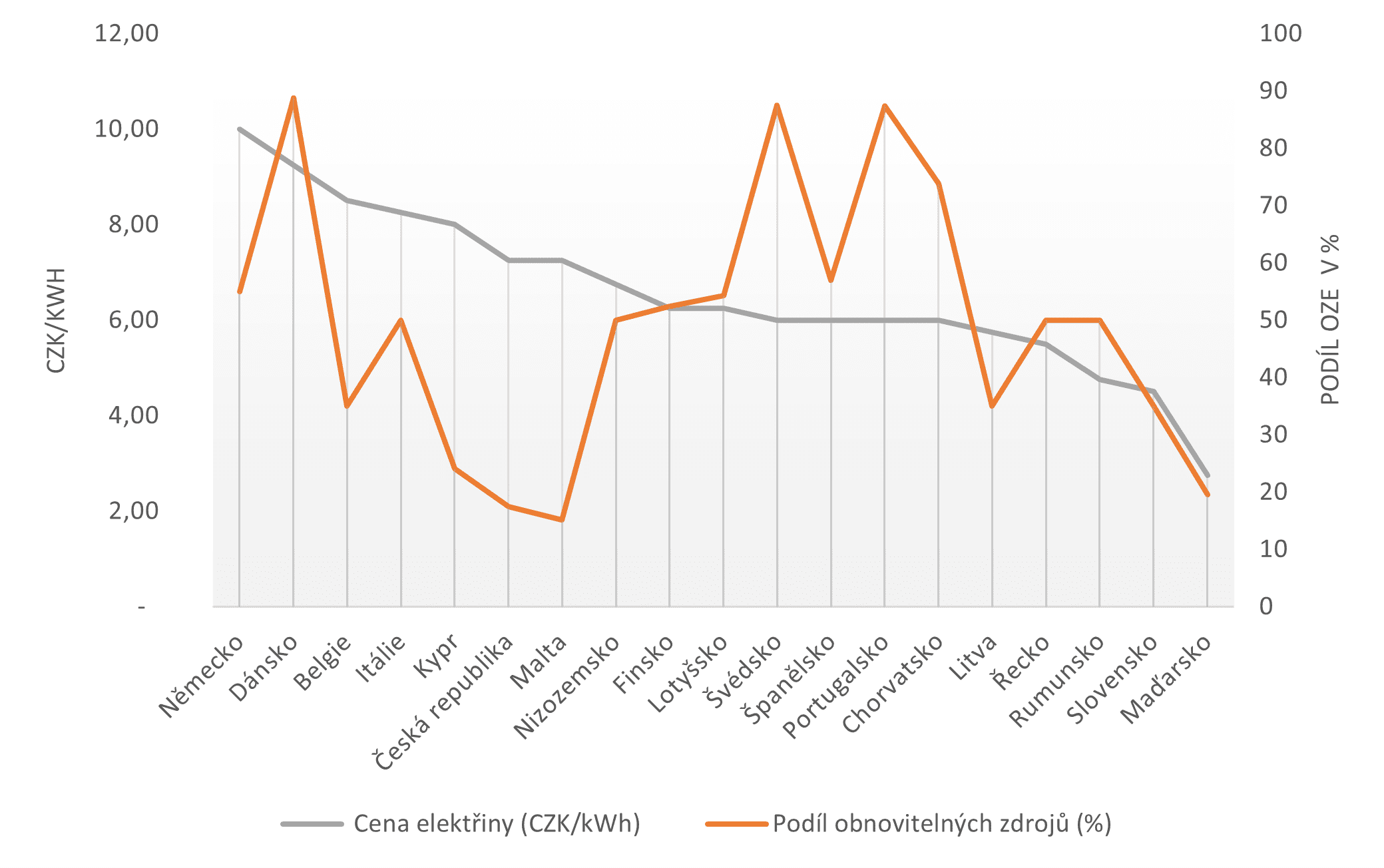
So, it is the state and its policy that creates the final price for consumers, not that mysterious “IT”, which no one can be held responsible for, and which no one has ever seen. The initial conditions are essentially the same and equal for everyone. The price from the EEX exchange includes emission allowances. Clean energy will therefore be around 1.672 CZK/kWh (approx. €68/MWh), allowances will add some 0.61 CZK/kWh (€14/MWh). But this is only because our energy mix is still high, in 2023, 370 gCO2/kWh. If we add nuclear energy, with zero emissions, then this value will drop by 10%. In the total price, the role of allowances is therefore not as significant as the role of the state.


One more remark was made at the conference, in the form of a question from the audience. “Why do countries with the largest share of green energy have the most expensive energy?”. It is not so obvious from the above graph; however, it should be true that the greener the energy, the cheaper it should be. I would see such a policy as motivating.
What they do not collect from us on power electricity, the state will try to collect from distribution fees, for reserved power, for OTE, for POZE, for ČEPS, and newly for ETD. There is always some abbreviation that tells us that we paid too little …
How do you translate that? Because the European Parliament elections were held last year, and the term of office of the Commissioners is 5 years, nothing will change for the next 4 years.
Because each country has one Commissioner, and because the Green Commissioners prevail, there is no chance of changing the Commission’s opinion until the opinions of the countries with the decisive votes change, for us it is mainly Germany and Austria. It is interesting that Austria is the largest consumer of our energy, and in Germany they can turn off their refrigerators at night without our energy.

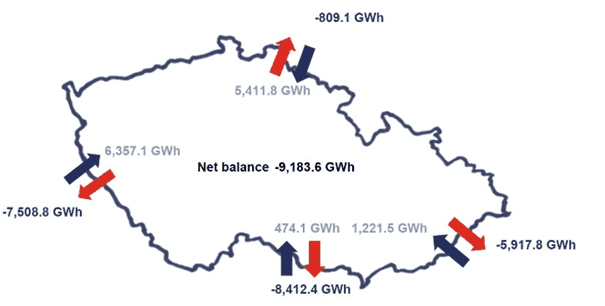
So, it is absolutely bizarre and I see the only way out in the Act on State Interest. It must come as soon as possible, before the entire generation of technicians who built Temelín and Dukovany dies out. At the same time, however, it is necessary to transfer the entire ČEZ under state ownership. It is not possible for private individuals to determine strategic energy security.
In any case, the heat treaters cannot count on cheaper energy. There will be great pressure to save, and that is a chance for new furnaces. So, in fact, everything bad is good for something?
And the pearl at the end? In Pilsen, within the framework of Doosan Škoda Power, the giant furnaces of the former reactor plant are being reconstructed. Anyone who has ever seen them has an idea of their size and cost. After this explosion, the Koreans will not like us. But what is worse, we are losing more years for the generation that held the know-how, and that is probably the greatest of all possible damages. After the loss of POLDI Kladno and the liquidation of Pilsen Steel, this is another nail in our steel coffin.
Jiří Stanislav
May 17, 2025