Hydrogen

With natural gas prices in mind, there is a lot of talk about hydrogen. Of course, about green, no other colour is worn anymore.
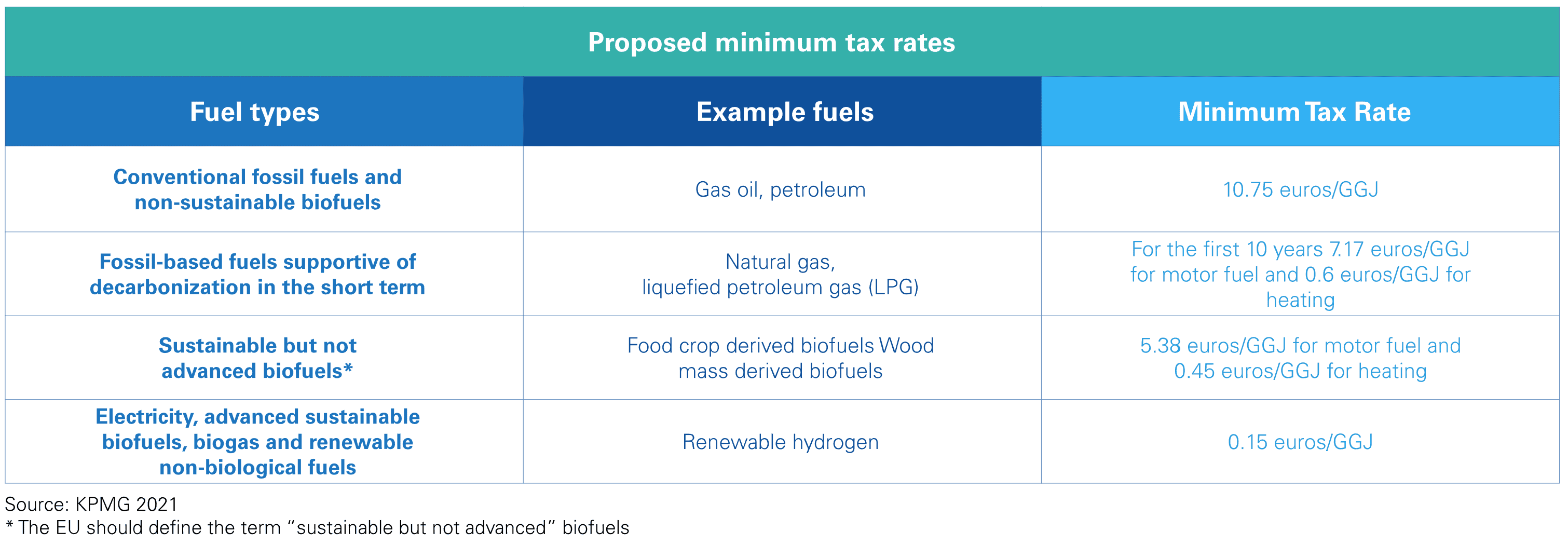
But how is it really with him? While browsing the web, I found Elon Musk’s comments on this resource
https://emovio.cz/2022/05/20/musk-si-mysli-ze-vyuzivani-vodiku-ve-velkem-je-nesmysl-eu-na-nej-sazi/.
Is it really that bad, or is Elon wrong? Last week I was invited to a video conference with Air Product regarding the possibility of storing over energy from solar panels into hydrogen.

- Renewable hydrogen is green enough only if it is produced from ecological electricity. This is only the sun or wind, but partly also nuclear energy. Otherwise it’s gray…
- To make hydrogen from this energy, I need an electrolyser and water
- About 9 liters of water and about 50 kWh of electricity are needed to produce 1 kg of hydrogen
- The density of hydrogen is 0.0899 kg/m3, the volume corresponding to 1 kg of hydrogen is 11.2 m3 of gas
- The energy value contained in hydrogen is 33 kWh/kg
If I ignore the investment costs of the electrolyser, then the price of energy for the production of 1 kg of hydrogen will be 50 * 5 CZK = 250 CZK/kg, or 22.3 CZK/m3.
Even if I could produce hydrogen in this way, the question is how to consume it in the heat treatment plant. Most private heat treaters are already equipped with heat recovery from cooling water, by heat pumps and solar panels. In other words, reuse for heating the halls is already solved by other measures.
If we have electrically heated ovens, then there is no use here either.
For gas-fired furnaces, hydrogen can be added to natural gas, but only if the heating tubes are fully enclosed and separated from the working area. It cannot be used with open burners; the carbon potential of the atmosphere would change significantly.
Meaningful use can be assumed if we operate plasma nitriding or if we decide to use a mixture of N2+5%H2 for annealing or tempering processes. In Bodycote plants, it is completely common both in the Czech Republic and, for example, in France.
But this so-called forming gas has a wider use, it is not a problem to use it for hardening, soldering, annealing of stainless steels, sintering. The presence of hydrogen contributes significantly to the reduction of oxides on the surface, the reduction of oxygen and water vapor in the atmosphere, thus ensuring clean, oxide-free surfaces. On the contrary, hydrogen is directly prohibited for titanium and its alloys, it causes hydrogen embrittlement.
In order to have an atmosphere 100% eliminating oxides, at 900 C we need to have an oxygen partial pressure pO2 < 10-16 bar, at 400 C then pO2 < 10-30 bar. The impossibility of achieving the work of these limit pressures can be replaced by the content of hydrogen.
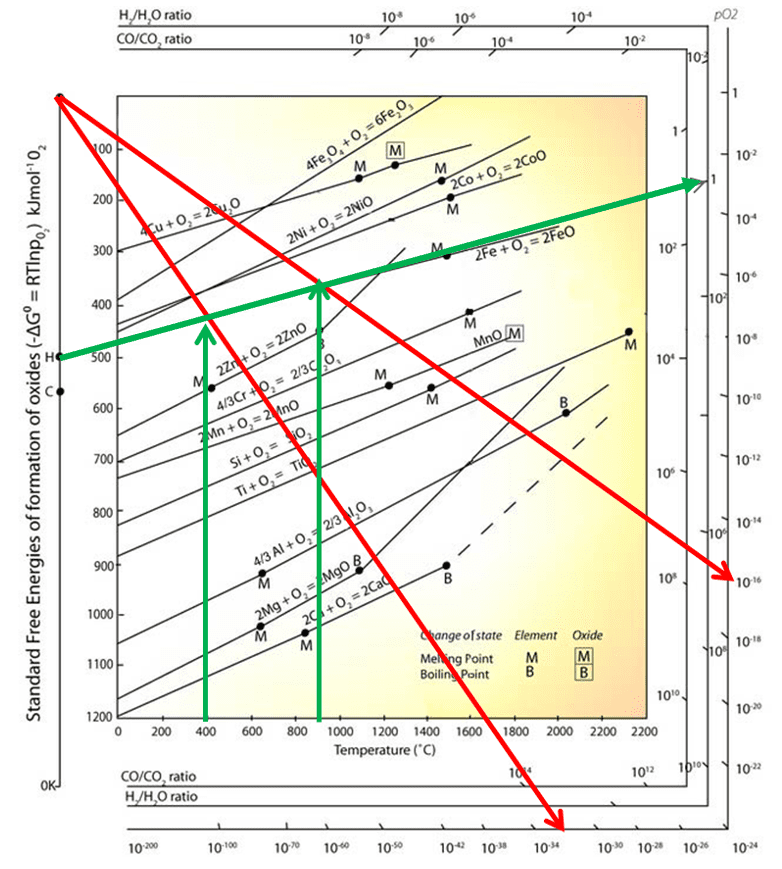
Source: Presentation, Guido Plicht (Dipl. Ing.) Industry Manager, Metals Processing & EPAT, Air Products GmbH, 2015
But how much hydrogen do we need? A standard vacuum furnace for tempering, size 600x900x600, has an internal volume of approximately 4 m3. It can be estimated that 1.5 times more gas, i.e. 6 m3, will be used for one process. With 3 processes per day, 260 days a year, this is 4,680 m3 of N2+5%H2 mixture per year. The content of hydrogen in the mixture will be 234 m3 per year, 0.9 m3 H2 per day. So, in order to make use of 1 kg of hydrogen from the electrolyser, I have to have roughly 10 tempering furnaces. Most heat treaters don’t have that. If we have an electrolyser with a capacity of 1 kg per day, an output of 1 kg per day, we will have excess hydrogen.
Although AirProduct claims that there are no small electrolysers on the market, this is not entirely true. E.g. Parker Hannifin manufactures models up to 1100 ml/min of hydrogen for analytical purposes, with an output pressure of up to 7 bar. abs. If I convert it to a daily amount, in 7/24 mode, then it is an output corresponding to 1.5 m3 of hydrogen gas per day, in purity > 99.9999%. This already seems realistic even for use in distilleries. The question is at what cost.
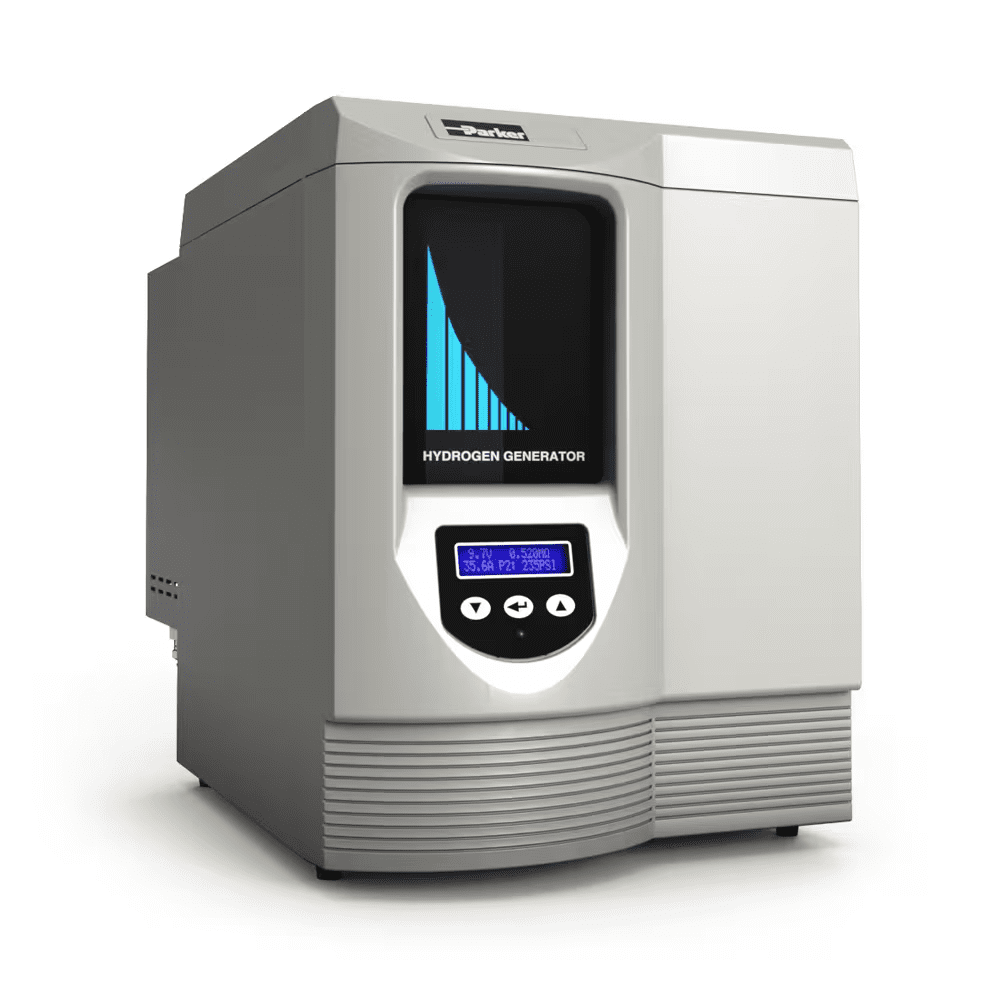
Source: https://ph.parker.com/cz/cs/series/hydrogen-gas-generators
If 50 kWh are needed to generate 11.2 m3 of hydrogen, we have to put in about 6.7 kWh of energy for 1.5 m3 of hydrogen per day. In terms of costs, it is 6.7 * 5 = 33.5 CZK per day, or 22.3 CZK/m3 of hydrogen. If I rent a pallette of 12 cylinders, it will contain 12 x 50 litres x 200 bar of 3.0 purity hydrogen, ie 120 m3. The price for hydrogen will be approximately double, 50 CZK/m3. The hydrogen electrolyser looks realistic.
However, if we have not used the N2+5%H2 mixture in the heat treatment plant until now, then the introduction of this mixture will increase our costs. This is the opposite of what we want. At a minimum, we are talking about the costs of the electrolyser, the electricity to produce hydrogen and the costs of the mixer. The mixer is a device mixing both gases, that guarantees that the mixture is mixed in the right proportion and that the 5% hydrogen content is not exceeded. Above this limit, it becomes an explosive mixture. Since this is a dedicated gas appliance, you cannot make the mixer on your knee. We solved it by renting it from Linde, the price was approx. CZK 3,500 per month. But it was…
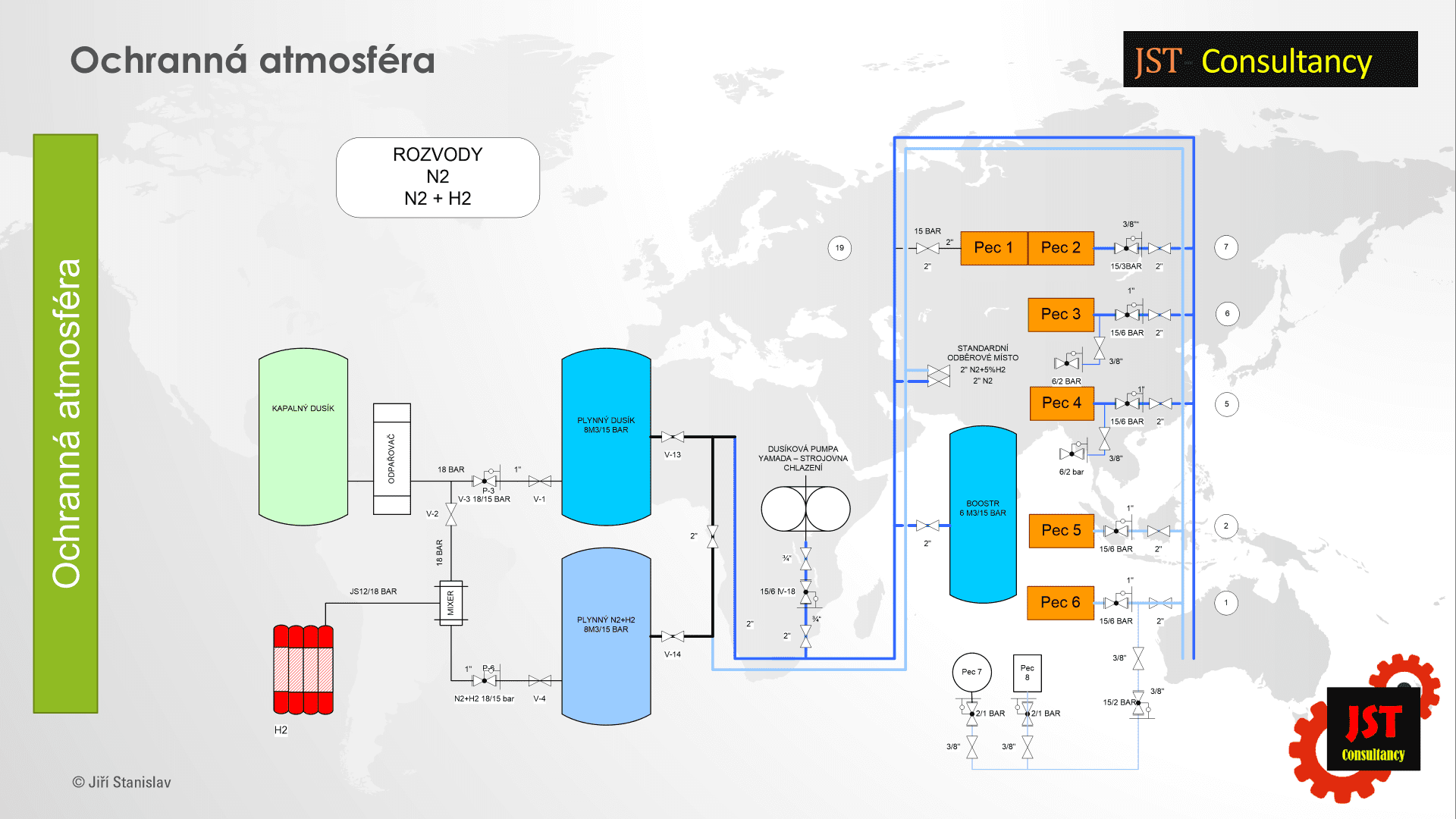
Fig. 1 – Gas distribution schema with mixer
The obstacle to the use of excess energy from solar panels is therefore not the non-existence of low-power electrolysers, nor the price for the hydrogen created in this way, but above all the fact that we have not yet been able to properly utilize hydrogen in the heat treatment operation.
If we decide to store the remaining hydrogen and then convert it into electrical energy, then we have to take into account that 20-30% of its energy is needed to compress it to, for example, at 350 bar, or in the case of liquefaction, 30-40% to freeze it to – 253 C.
The efficiency of the fuel cell for recovering electrical energy is approx. 50%. From 1 kg of hydrogen, after supplying oxygen, the fuel cell is capable of producing 16 kWh of electricity + 16 kWh of heat + clean water. If we already produce hydrogen, then its production and reverse transformation into electrical energy will be with a total efficiency of 20 to 30%.
So, it looks like Elon Musk is right. If we wanted to store excess energy in hydrogen and then convert it back into electricity, this is not the way for heat treaters. And if we were going to add hydrogen to natural gas in gas fired furnaces, then we have to consider that natural gas is now an unwanted child and sooner or later by 2030 we will have to get rid of it.
We should consider this solution only for plants with plasma nitriding, or already using a mixture of N2+5%H2. Self-production of hydrogen can be ensured at a lower cost than we buy hydrogen in bottles today, and at the same time with much greater purity.
So going back to the beginning, to the question of what to do with excess electricity from solar panels, the answer is simple. Conversion to hydrogen and back to electricity is not a question of today. We are not technically ready for this yet.
Accumulating this energy in batteries is also problematic. The price for this accumulation is immense, but what is the actual result of this accumulation? Basically, this energy will only be used for the safety of the heat treatment operation, in case the main source has an outage. It is therefore a non-production investment, and production as such will only make it more expensive for us, not cheaper.
For the time being, we are not even able to accumulate enough energy in the batteries to, for example, supplying our furnaces for 8 hours. So, it’s just a back-up, and we’ll get it much cheaper by installing a nitrogen pump, which will ensure the cooling of the furnaces in the event of a blackout.
The result of our discussion was that the only meaningful way to use excess energy from solar panels is to use this energy to produce nitrogen in generator. The heat treatment operation needs nitrogen in large quantities, on the order of tens to hundreds of tons, and with permanent consumption. The problem of nitrogen purity from the generator also seems already solved, e.g. this model from the OXYWise company gives an output purity of up to 1 ppm, which is better than from liquid.
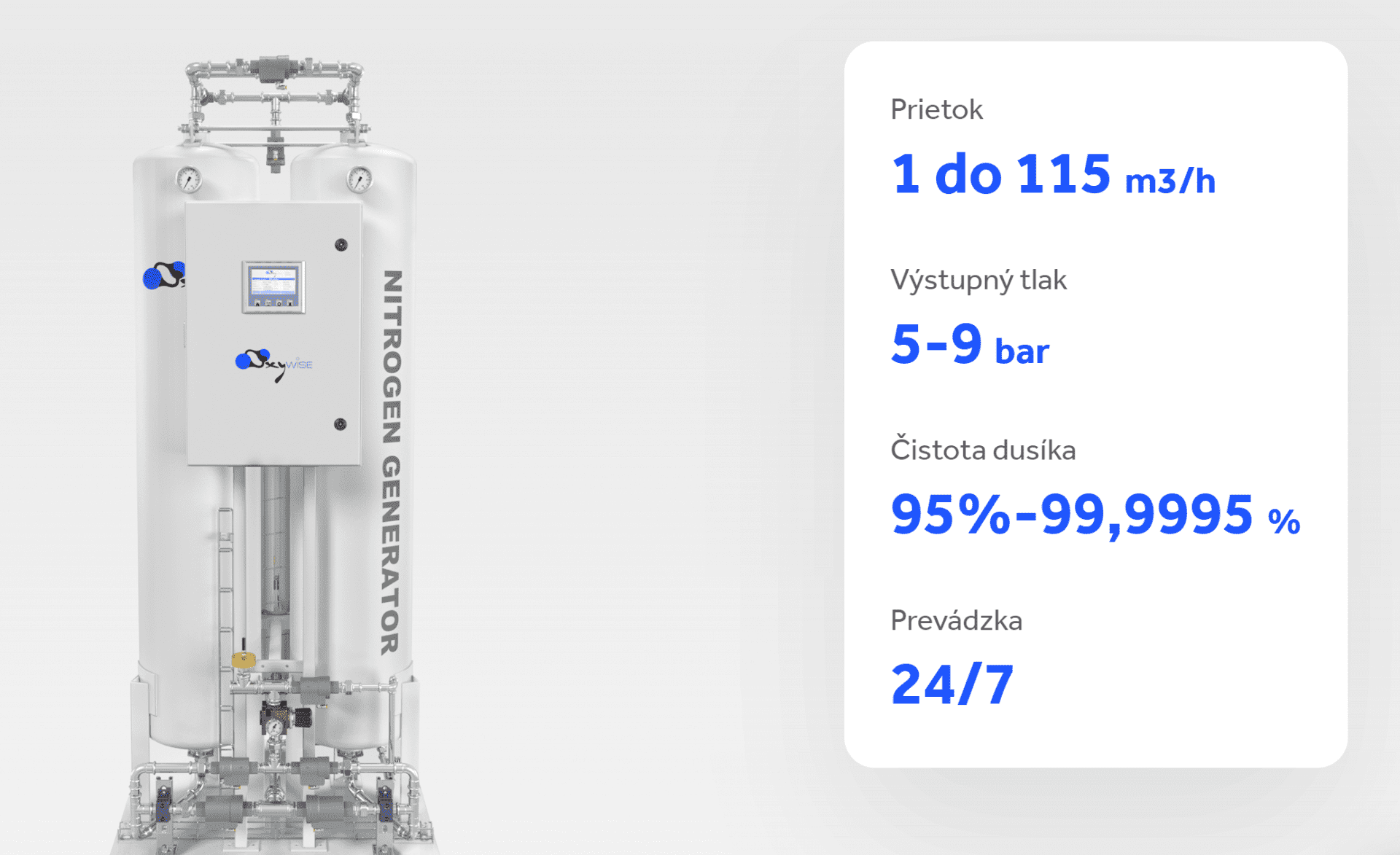
Source: https://www.oxywise.com/
Unfortunately, I have to state, even to my great disappointment, that hydrogen for the refining plant is pointless for the time being.
May 13, 2023
Jiří Stanislav