Euroguss 2022

Coincidentally, I was invited to EUROGUSS, the international die casting fair. Well, in the end, since I’ve been promoting Nadca 207 in heat treatment since 1999, why not look at the result one day
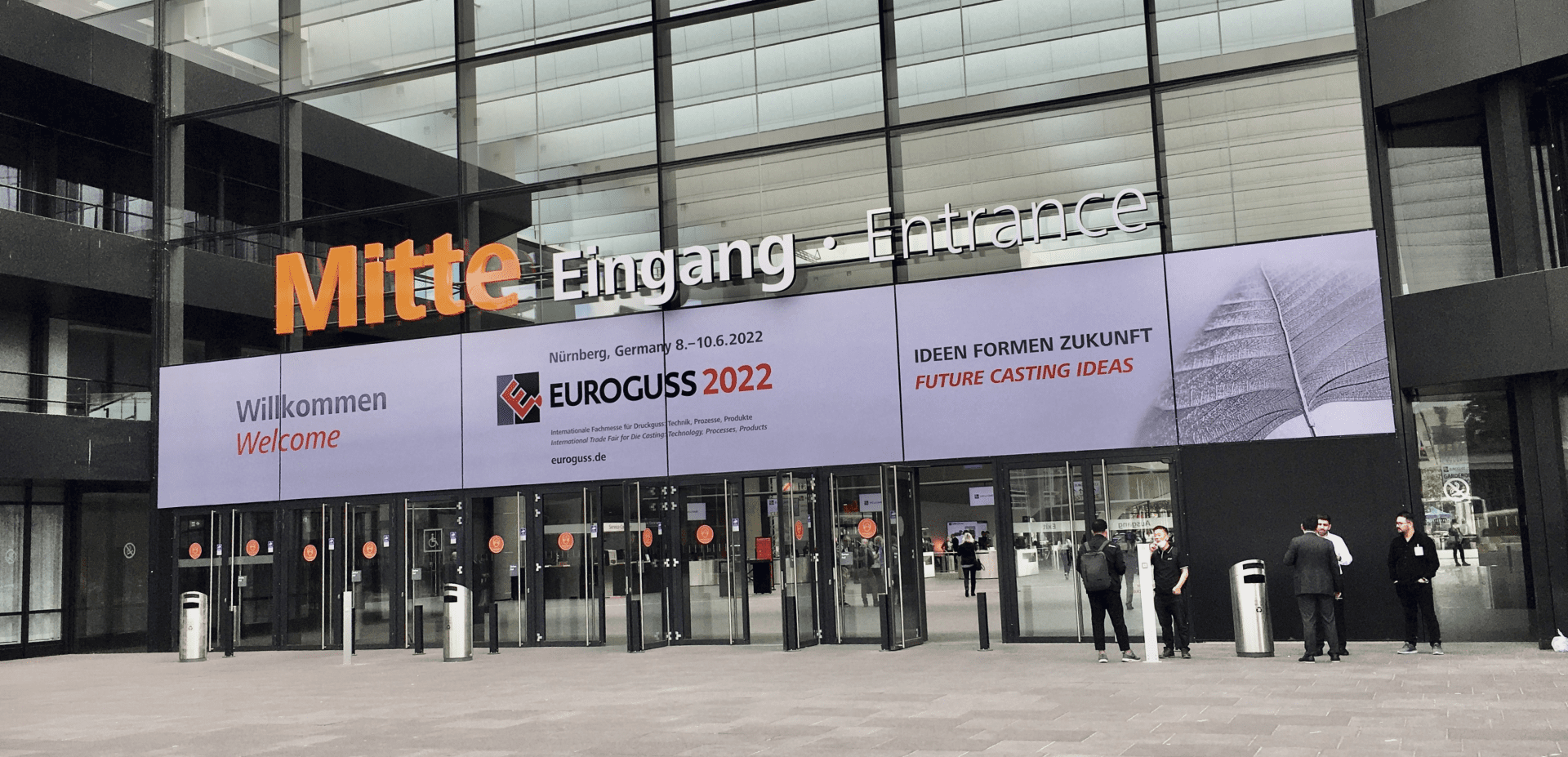
And what is the impression? So above all I met here Dr. Marek Grzinčič from Detycon Solutions, who lives 500 m next to me in Liberec, but in order to meet, we have to go to Nuremberg. We both hide surprises about the size and content of this fair.
We, who deal with iron, must also admit that aluminum probably has something in it as well. This is also because with the weight of flashlights in e-mobility, the desire to eliminate this weight significantly increases with these light metals.
After all, this is a beautiful example that the possibilities are endless… the whole underside of the car is only made of light metal alloys…
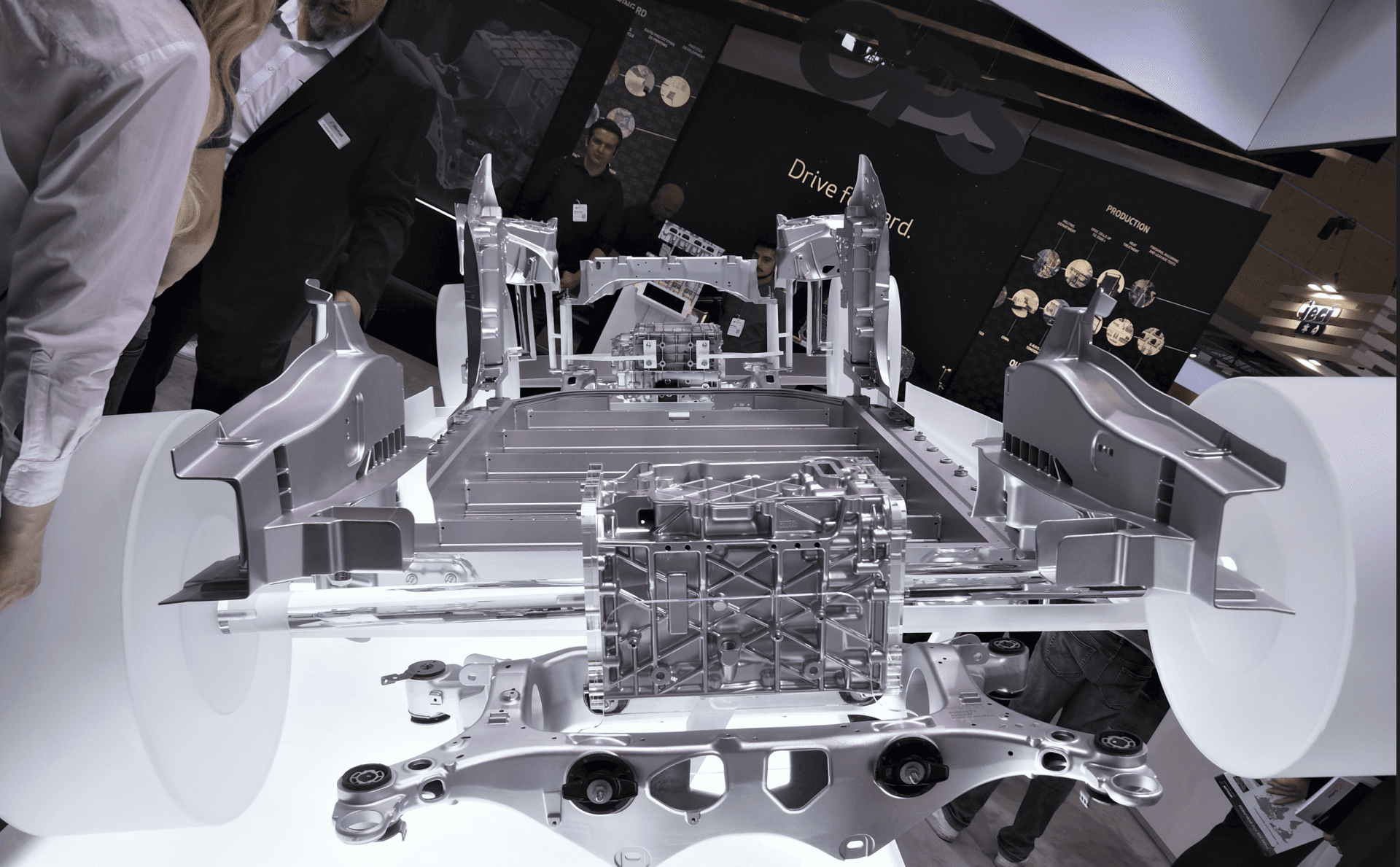
….. and other structural elements of the body, battery box, electric motor…
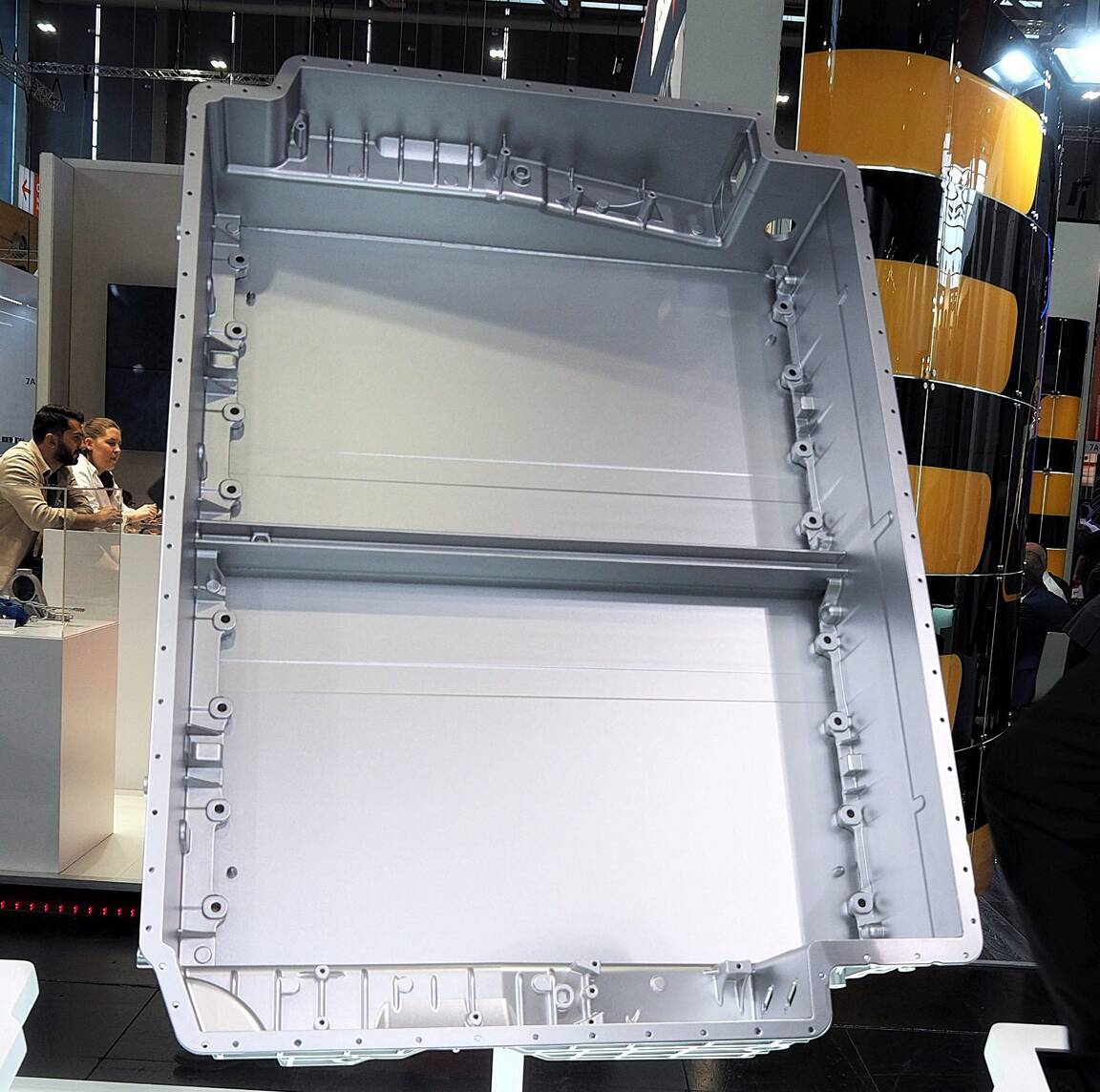
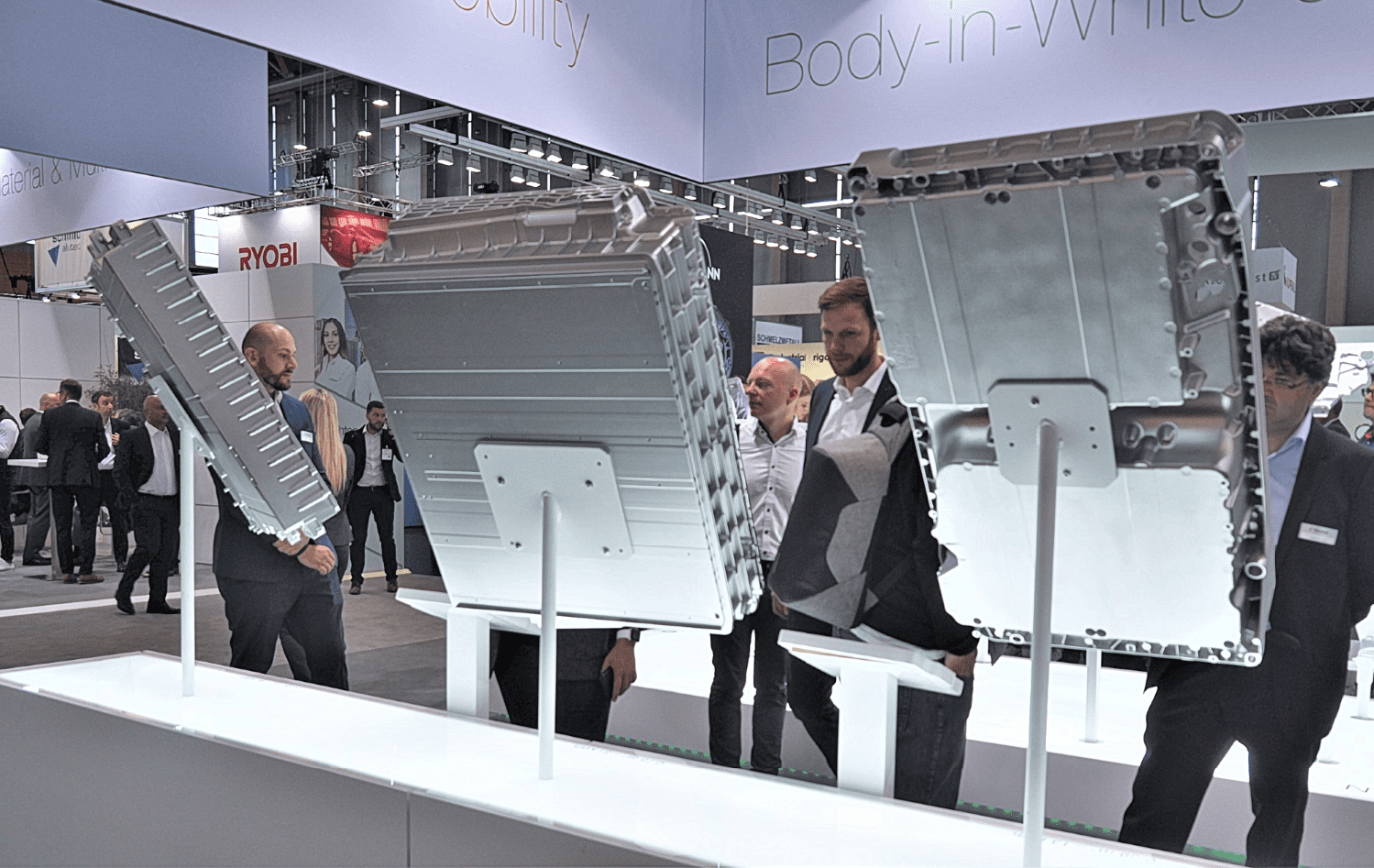
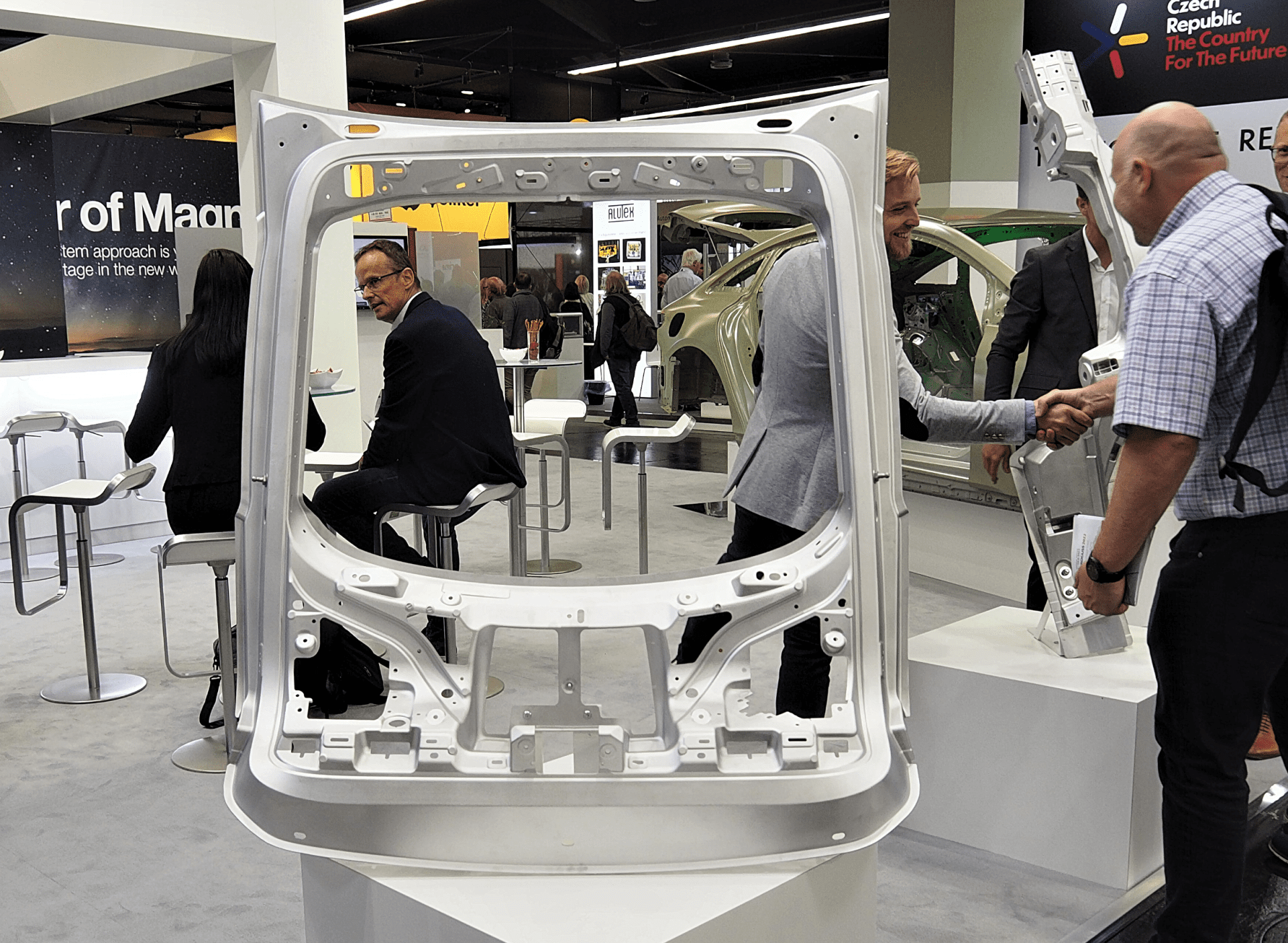
On the other hand, I try to imagine the impact. After all, engine blocks and gearboxes predominate today, and all this will not happen in that new electric car.
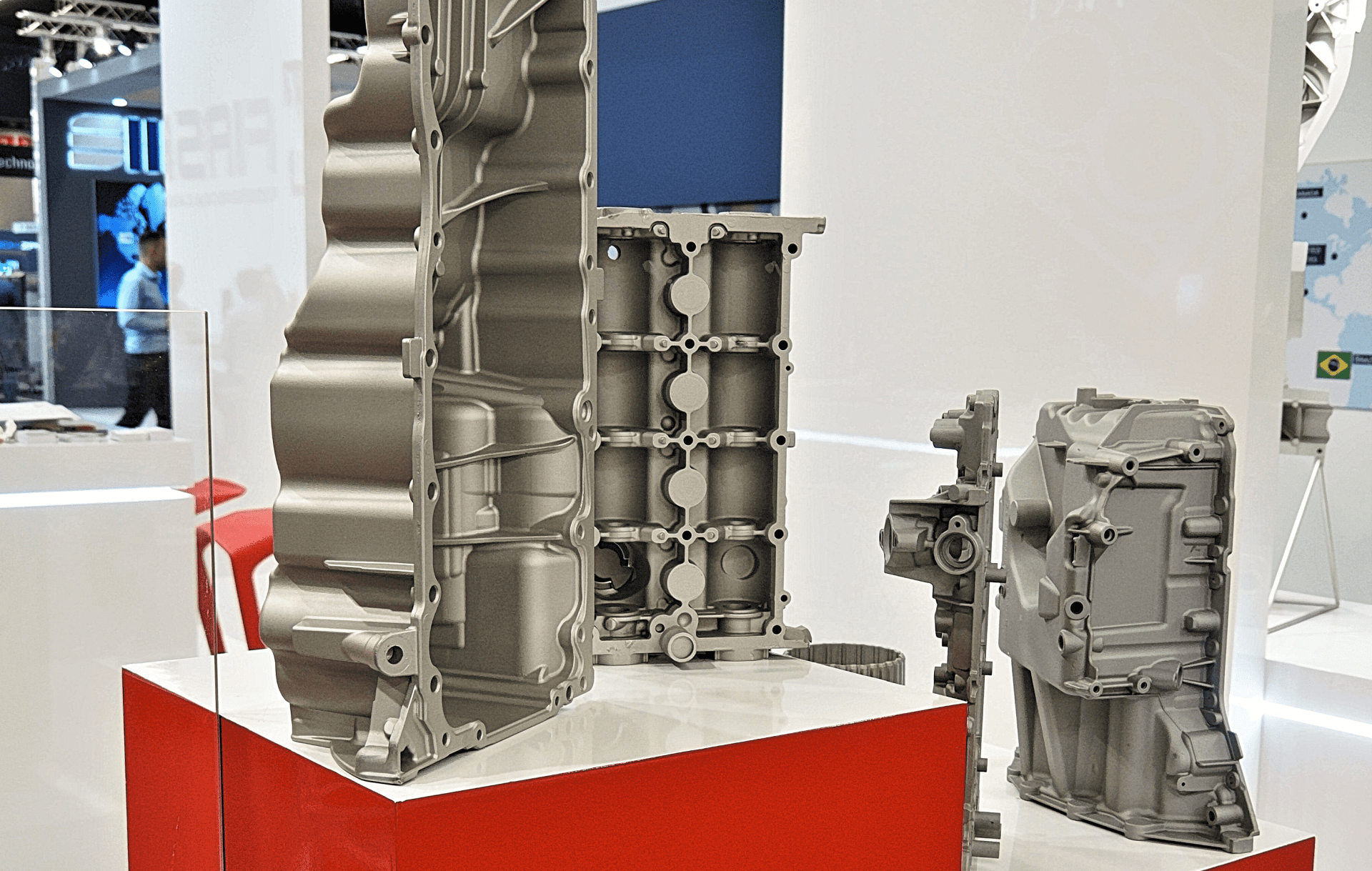
So not only a revolution in car concept, but also in production technology. And also the impact on die casting tools. Not only a total change of assortment, but also a change of dimensions, material innovations, but above all a pursuit of tool life. After all, such a tool for a batteryy box will not cost less than 200-400 k€ and it will no longer matter if 10,000 or 100,000 good parts fall out of it. And even if I take the ideal case, and from 2035 all cars will be in the e-version, only for this one part will 300-600 tools be needed to cover European car production. But only if all cars have the same battery box.
Thus, the pressure on die-casting tool manufacturers as well as steel or heat treatment suppliers will increase significantly. However, the size of the parts will also increase the need for large hardening furnaces. Are we ready for this?
However, with the growth of the dimensions of parts for die casting, I noticed a minority of additive technologies here. Although applications from 3D printing were presented to some exhibitors, they were presented only marginally and for parts that cannot fundamentally affect the concept of large forms.
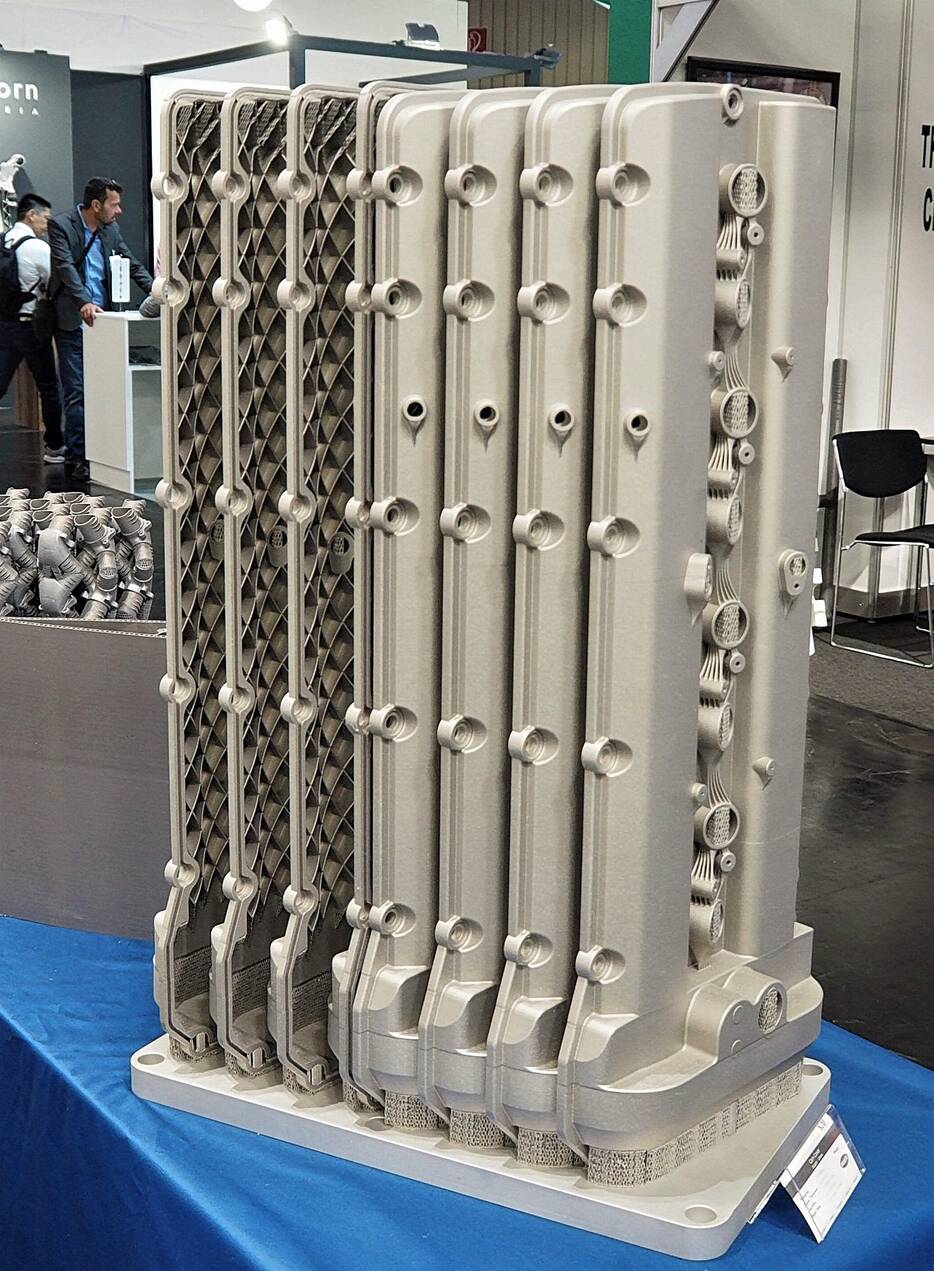
And try printing it directly? This time is probably approaching too – here is an example of the result from the SLM printer (mat. AlSi10Mg), which is already approaching the ideas about the size of parts for e-cars.
What to say in conclusion? Good experience, a beautiful look into the future and a lot of doubts whether it can be done in such a short period.
See you at Euroguss 2024

June 11, 2022
Jiří Stanislav